



Japanese yokai culture emerged as a way to understand unexplained phenomena such as natural disasters, illness, and fear of the dark. Thunder, floods, strange sounds in the forest—yokai gave meaning to forces beyond human control.
During the Heian period, yokai began to appear in illustrated scrolls, and in the Edo period they became popular through stories and ukiyo-e prints. Yokai were not only objects of fear, but imaginative tools for understanding the world.
1
The Origins and History of Yokai
2
How Yokai Differ from Western Ghosts
Western ghosts and monsters are often portrayed as evil beings or spirits of the dead, clearly divided into good and evil. In contrast, Japanese yokai are not always malicious.
Some simply scare people, some play tricks, and others even help humans. Rather than enemies to be defeated, yokai are depicted as neighbors—extensions of nature and society.
3
The Many Types of Yokai
There are countless kinds of yokai, each with different origins.
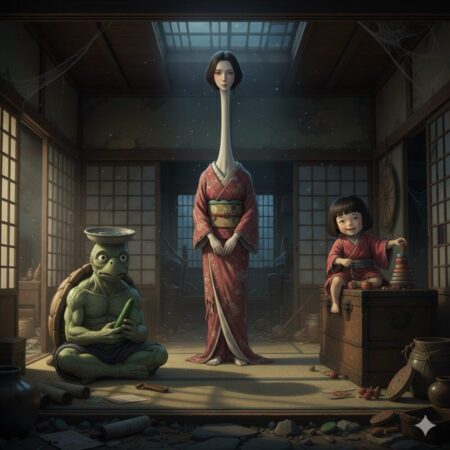
Some are born from nature (kappa, tengu), others from animals that transform (foxes, tanuki), objects that gain spirits (tsukumogami), or human emotions such as resentment (rokurokubi, yuki-onna).
This diversity reflects the Japanese belief that all things possess spirit and life.
4
Yokai in Modern Culture (Anime and Manga)
Yokai continue to thrive in modern Japanese culture.
GeGeGe no Kitaro reimagines yokai in contemporary society, while Spirited Away portrays a world filled with gods and yokai-like beings.
Works like Natsume’s Book of Friends and Yokai Watch present yokai as emotional, relational beings rather than pure threats, making them accessible to all ages.
5
Conclusion: Yokai as a Japanese Worldview
Yokai are not simply creatures of fear.
They represent a Japanese way of understanding the relationship between humans, nature, and the unseen world.
To learn about yokai is to understand how imagination has helped Japanese people live with uncertainty and fear.
CULTURE
Why Do Japanese People Line Up So Perfectly?
What Is Yokai?
Why Do Japanese People Bow So Often?
Why do Japanese people say “Itadakimasu”?
5 Fascinating Trivia about the Traditional Japanese Sport, “Sumo”
Why is Sleeping with Your Head to the North Bad? The Reason Lies in Old Japanese Folklore
Recommended Halloween Events for 2023