












Discovering the Rich World of Japanese Tea
Japanese tea, or Nihoncha (日本茶), is far more than just a beverage; it’s a cornerstone of Japanese culture, steeped in history, tradition, and a unique philosophy. From the verdant hills where tea bushes flourish to the serene tearooms where the tea ceremony unfolds, the world of Japanese tea offers a profound journey into the heart of Japan. This article will guide you through the diverse varieties of Japanese tea, explore its fascinating history, and provide insights into the art of Chado (茶道), the Way of Tea.
A Journey Through the Varieties of Japanese Tea
Unlike some tea-producing countries, Japan primarily focuses on green tea, or Ryokucha (緑茶). However, within this category lies a remarkable diversity, each type boasting unique flavors, aromas, and preparation methods.
Sencha: The Quintessential Green Tea
Sencha (煎茶) is perhaps the most popular type of Japanese green tea. It’s grown in direct sunlight, which contributes to its vibrant green color and slightly grassy, refreshing flavor. The leaves are steamed, rolled, and dried to create a distinctive needle-like shape. The quality of Sencha is graded based on its appearance, aroma, and flavor, with the first harvest, or Shincha (新茶), considered the most prized.
Gyokuro: Jade Dew of Flavor
Gyokuro (玉露) is a shade-grown tea, cultivated under straw mats for about three weeks before harvest. This process increases the chlorophyll content, resulting in a sweeter, umami-rich flavor and a deep green color. Gyokuro is considered a high-grade tea and is often enjoyed on special occasions. The name translates to “Jade Dew”, referring to its color and perceived quality.
Matcha: The Powdered Perfection
Matcha (抹茶) is a finely ground powder made from shade-grown tea leaves. It’s famously used in the Japanese tea ceremony and is known for its vibrant green color, slightly bitter taste, and creamy texture. The tea leaves are stone-ground, a process that preserves their nutrients and antioxidants. Matcha is also increasingly popular in lattes, smoothies, and other culinary applications.
Hojicha: Roasted for Richness
Hojicha (ほうじ茶) is a roasted green tea that undergoes a high-temperature roasting process, giving it a reddish-brown color and a distinctive toasted aroma. It has a mild, nutty flavor and is lower in caffeine than other green teas, making it a good choice for evening consumption.
Genmaicha: Popcorn Tea
Genmaicha (玄米茶) is a unique blend of green tea and roasted rice. The roasted rice adds a nutty, savory flavor to the tea, creating a comforting and flavorful beverage. Some blends also include popped rice, which resembles popcorn.
Kukicha: Twig Tea
Kukicha (茎茶) is made from the stems, stalks, and twigs of the tea plant, rather than the leaves. It has a mild, slightly sweet flavor and is often praised for its lower caffeine content and health benefits. It is particularly popular in macrobiotic diets.
The Storied History of Japanese Tea
The history of Japanese tea is intertwined with Buddhism, trade, and the development of Japanese culture. Tea cultivation in Japan dates back to the 8th century, when Buddhist monks brought tea seeds from China. Initially, tea was primarily consumed by the clergy and aristocracy as a medicinal beverage.
During the Kamakura period (1185-1333), the Zen priest Eisai (栄西) played a pivotal role in popularizing tea cultivation and consumption in Japan. He introduced the practice of grinding tea leaves into powder (Matcha) and wrote the first Japanese treatise on tea, the Kissa Yojoki (喫茶養生記), promoting its health benefits.
The Muromachi period (1336-1573) saw the emergence of the tea ceremony as a formalized art form. The influential tea master Sen no Rikyu (千利休) refined the Chado principles, emphasizing simplicity, harmony, respect, purity, and tranquility. These principles continue to guide tea ceremonies today.
In the Edo period (1603-1868), tea consumption spread to the general public, and different regions developed their own unique tea varieties and brewing methods.
Experiencing the Way of Tea: Chado
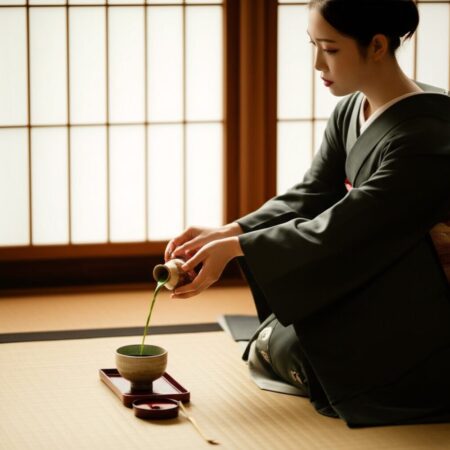
Chado, or the Way of Tea, is a traditional Japanese art form that embodies the principles of harmony, respect, purity, and tranquility. It’s a multifaceted practice that involves the preparation, serving, and drinking of Matcha in a ritualistic and aesthetically pleasing manner. Attending a tea ceremony is a unique opportunity to experience Japanese culture firsthand and gain a deeper understanding of its values.
The Tearoom (Chashitsu)
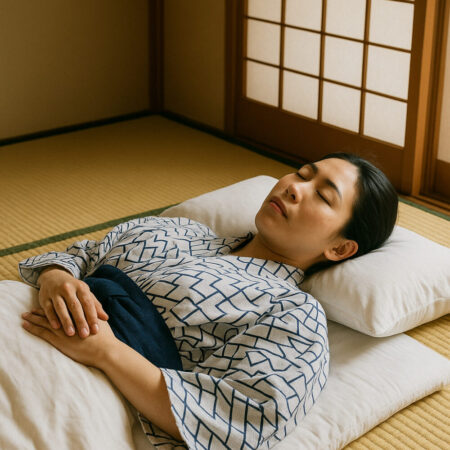
The tearoom, or Chashitsu (茶室), is a specially designed space for the tea ceremony. It’s typically a small, simple room with a tatami mat floor, a low entrance that requires guests to bow, and a serene atmosphere. The Chashitsu is intended to be a space of respite from the outside world, where guests can focus on the present moment and appreciate the beauty of simplicity.
The Utensils (Chagu)
The tea ceremony utilizes a variety of specialized utensils, or Chagu (茶具), each with its own specific purpose and aesthetic value. These include the tea bowl (Chawan), the tea caddy (Natsume or Cha-ire), the tea scoop (Chashaku), and the whisk (Chasen). The selection and handling of these utensils are carefully choreographed and are integral to the tea ceremony.
The Ceremony (Temae)
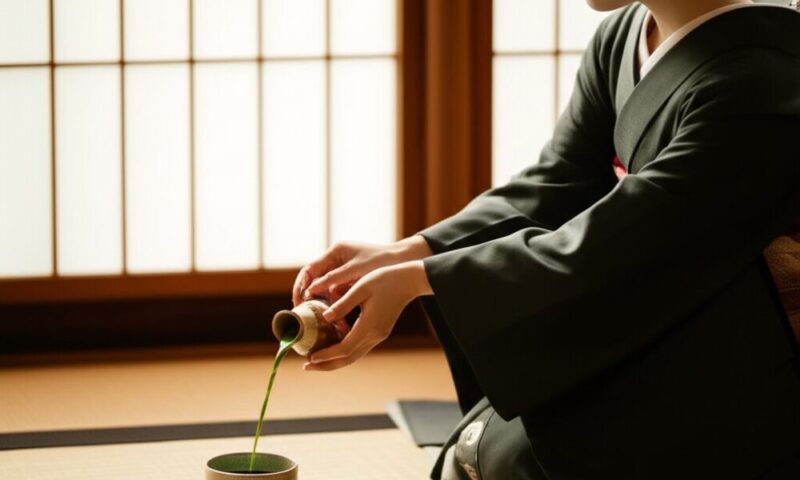
The tea ceremony, or Temae (手前), is a carefully orchestrated ritual that involves precise movements and gestures. The host, or Teishu (亭主), prepares the Matcha with meticulous care, paying attention to every detail, from the temperature of the water to the consistency of the tea. The guests, in turn, observe the host with reverence and appreciate the artistry of the performance. After the tea is prepared, the host serves each guest individually, and the guests drink the tea with gratitude and mindfulness.
Where to Experience Chado
Many gardens, temples, and cultural centers throughout Japan offer tea ceremony experiences for visitors. Some notable places include:
- Urasenke Tea School (Kyoto): One of the most prestigious tea schools in Japan, offering introductory tea ceremony classes.
- Ippodo Tea Co. (Kyoto): A renowned tea shop that offers tea ceremony demonstrations and workshops.
- Happo-en Garden (Tokyo): A beautiful garden with several teahouses where you can enjoy a traditional tea ceremony.
- Shisen-do Temple (Kyoto): Offers tea service with stunning garden views.
Beyond the Cup: The Health Benefits of Japanese Tea
Japanese tea, especially green tea, is renowned for its numerous health benefits. It’s rich in antioxidants, particularly catechins, which are believed to protect against cell damage and reduce the risk of chronic diseases. Studies have suggested that green tea may help improve heart health, boost brain function, and promote weight loss. Furthermore, the act of preparing and drinking tea can be a calming and meditative practice, contributing to overall well-being.
Conclusion: Embracing the Essence of Japanese Tea
From its diverse varieties and rich history to its profound cultural significance, Japanese tea offers a captivating journey into the heart of Japan. Whether you’re a seasoned tea connoisseur or a curious newcomer, exploring the world of Nihoncha provides a unique opportunity to connect with Japanese traditions, appreciate the beauty of simplicity, and savor the present moment. So, take a sip, breathe deeply, and allow the essence of Japanese tea to awaken your senses and nourish your soul.