


















日本の伝統工芸:職人の技と美を巡る旅
Japan’s allure extends far beyond its bustling cities and serene landscapes. Deep within its cultural fabric lies a rich tapestry of traditional crafts, meticulously passed down through generations. These crafts are more than just objects; they are embodiments of history, skill, and the enduring spirit of monozukuri (the art of making). This journey explores the fascinating world of Japanese crafts, delving into their history, techniques, and the passionate artisans who keep these traditions alive.
The Soul of Monozukuri: Artisans and Their Dedication
At the heart of every Japanese craft lies the unwavering dedication of its artisans. These individuals, often heirs to centuries-old family legacies, pour their hearts and souls into their work. Their commitment transcends mere craftsmanship; it’s a pursuit of perfection, a striving for harmony between function and aesthetics. The concept of ‘takumi’, referring to a master craftsman, encapsulates this dedication, emphasizing the importance of skill, knowledge, and a deep understanding of materials.
“Craft is the vehicle for human expression. It embodies the spirit of the maker.” – Soetsu Yanagi, founder of the Mingei movement.
Miyajima’s Carved Wooden Spoons: Shamo-ji
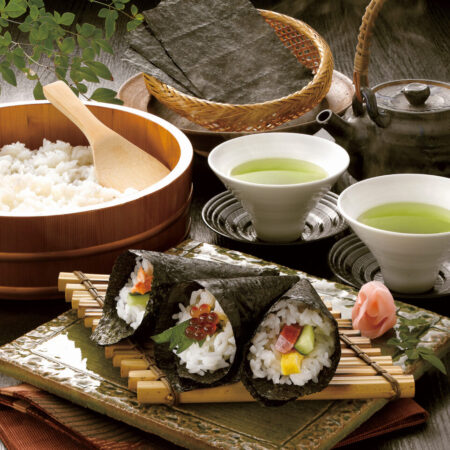
Starting our journey in Hiroshima Prefecture, specifically Miyajima Island, we encounter the art of Shamo-ji, the intricately carved wooden rice spoons. Originally used for serving sacred rice at Itsukushima Shrine, these spoons have evolved into popular souvenirs and symbols of good fortune. The artisans of Miyajima meticulously carve each spoon by hand, often embellishing them with lucky motifs and intricate designs. Visiting the workshops on Miyajima offers a glimpse into this delicate process and the enduring connection between craftsmanship and spirituality.
Exploring Regional Specialties: A Tapestry of Traditions
The beauty of Japanese traditional crafts lies in their regional diversity. Each region boasts its own unique specialties, shaped by local materials, historical influences, and the ingenuity of its artisans. Exploring these regional variations offers a fascinating insight into Japan’s cultural landscape.
Kyoto’s Exquisite Textiles: Nishijin-ori
Kyoto, the ancient capital, is renowned for its refined artistry, and Nishijin-ori, its luxurious silk weaving, is a prime example. With a history spanning over a millennium, Nishijin-ori utilizes complex weaving techniques and vibrant colors to create breathtaking fabrics for kimonos, obis, and other traditional garments. The artisans who practice this craft undergo years of rigorous training to master the intricate looms and the subtle nuances of color and design. Visitors to Kyoto can witness demonstrations of Nishijin-ori weaving at various textile centers and even try their hand at creating their own small textile pieces.
Okinawa’s Ryukyu Glass: Vibrant Colors of the Sea
In contrast to the refined elegance of Nishijin-ori, Okinawa’s Ryukyu glass offers a burst of vibrant color and playful shapes. Born from the post-World War II era, when recycled bottles were used to create functional glassware, Ryukyu glass embodies the spirit of resourcefulness and artistic innovation. The artisans of Okinawa infuse molten glass with vibrant hues, inspired by the island’s natural beauty, creating unique pieces that reflect the warmth and energy of the Ryukyu Islands. Many workshops in Okinawa offer glassblowing experiences, allowing visitors to create their own unique Ryukyu glass souvenirs.
Kanazawa’s Gold Leaf: Kinpaku
Venturing to Kanazawa, Ishikawa Prefecture, we encounter the shimmering beauty of Kinpaku, or gold leaf. Kanazawa produces over 99% of Japan’s gold leaf. This incredibly thin sheet of gold is applied to everything from temples and shrines to confectionery and cosmetics. The process of creating Kinpaku is painstakingly delicate, requiring years of training to master the art of hammering the gold into unbelievably thin layers. Visitors can experience the magic of Kinpaku by visiting workshops and trying their hand at applying gold leaf to various objects.
The Enduring Appeal of Japanese Pottery: From Bizen to Arita
Japanese pottery is perhaps one of the most widely recognized and appreciated forms of Japanese craft. From the rustic charm of Bizen ware to the delicate elegance of Arita porcelain, each style reflects the unique characteristics of its region and the artistic vision of its creators.
Bizen Ware: The Art of Natural Firing
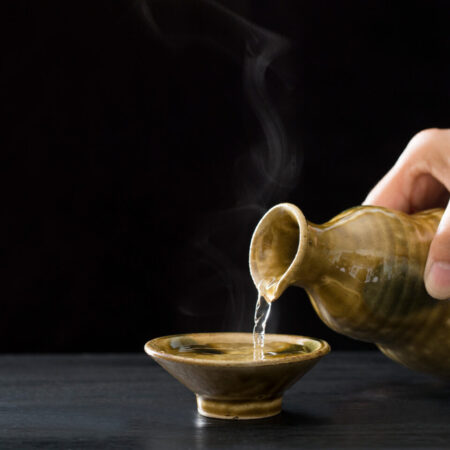
Hailing from Okayama Prefecture, Bizen ware is known for its earthy tones and natural ash glazes, achieved through a unique wood-firing process. Bizen pottery is unglazed, and the kiln’s environment dictates the final appearance of each piece, resulting in unpredictable yet beautiful variations. The resulting pottery shows the marks of the fire – a testament to the relationship between the artisan and the elements.
Arita Porcelain: The Birthplace of Japanese Porcelain
Saga Prefecture’s Arita porcelain boasts a rich history as the birthplace of porcelain production in Japan. Influenced by Chinese techniques, Arita ware is characterized by its delicate white body and intricate painted designs. The artisans of Arita continue to uphold the legacy of this esteemed tradition, producing exquisite porcelain pieces that are prized around the world.
Preserving the Legacy: Challenges and Opportunities
Despite their enduring appeal, Japanese traditional crafts face numerous challenges in the modern era. Declining populations in rural areas, a lack of successors, and changing consumer preferences threaten the survival of these ancient traditions. However, there is a growing movement to preserve and revitalize these crafts, both within Japan and internationally.
Supporting the Artisans: A Call to Action
Supporting Japanese crafts means supporting the artisans who dedicate their lives to preserving these invaluable traditions. By purchasing handmade crafts, visiting workshops, and participating in cultural events, we can contribute to the continued survival of these artistic legacies. Embracing the philosophy of mottainai (a sense of regret over waste) helps to appreciate the value and craftsmanship inherent in these unique creations.
Conclusion: Embracing the Art of Living
The world of Japanese traditional crafts is a journey into the heart of Japanese culture, a celebration of artistry, and a testament to the enduring human spirit. By immersing ourselves in these traditions, we not only appreciate the beauty of handcrafted objects but also gain a deeper understanding of the values and philosophies that have shaped Japanese society. So, embark on your own exploration of Japanese crafts and discover the art of living through the hands of its talented artisans.