






Introduction: Embracing the Spirit of Japan Through Matsuri
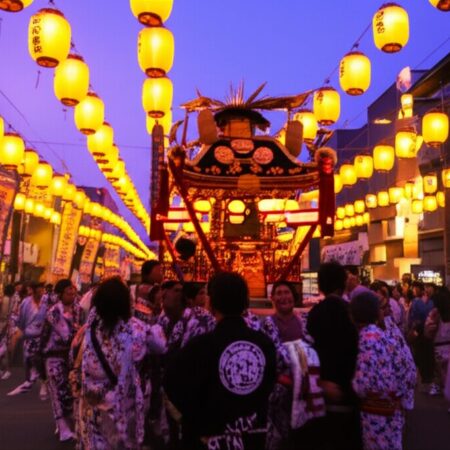
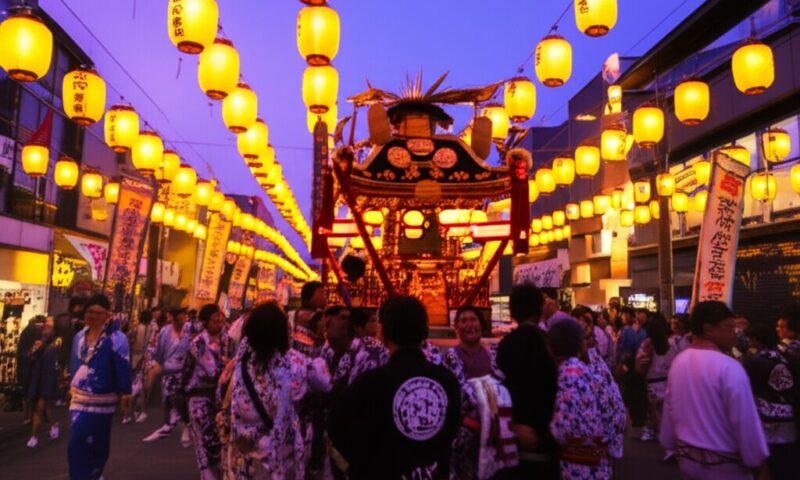
Japan’s festivals, or matsuri, are more than just vibrant celebrations; they are windows into the nation’s soul. Each festival is a unique expression of local history, beliefs, and community spirit. From the snow-covered north to the subtropical south, these events offer travelers an unparalleled opportunity to connect with authentic Japanese culture. This article will guide you through some of the most captivating festivals, providing insights into their cultural significance, practical tips for participation, and a deeper understanding of the traditions they represent.
Understanding the Essence of Matsuri
The Roots of Japanese Festivals
Many Japanese festivals originated as agricultural rituals, designed to ensure bountiful harvests and appease the gods (kami). Over time, these rituals evolved into elaborate celebrations incorporating music, dance, and elaborate processions. Shinto shrines often play a central role in the festivals, with priests performing ceremonies to purify participants and bless the community. Buddhist influences are also apparent in some festivals, particularly those honoring ancestors.
More Than Just Entertainment: Cultural Significance
Matsuri serve as vital social functions, strengthening community bonds and preserving local traditions. They are opportunities for residents to showcase their skills, pass down knowledge to younger generations, and celebrate their shared heritage. Participating in a matsuri, even as an observer, offers a profound insight into the values and beliefs that shape Japanese society.
Featured Festivals: A Journey Across Japan
Aomori Nebuta Matsuri: The Fiery Lantern Festival
Held in Aomori Prefecture during early August, the Nebuta Matsuri is a dazzling display of illuminated floats depicting mythical figures, historical heroes, and Kabuki actors. These enormous lanterns, some reaching up to five meters in height, are paraded through the city streets accompanied by energetic music and dancers dressed in traditional garb. The haneto dancers invite spectators to join in the festivities, creating an electrifying atmosphere.
Practical Information:
- Dates: August 2-7
- Location: Aomori City, Aomori Prefecture
- How to Participate: Rent or purchase a haneto costume and join the dance. Reservations are recommended, especially during peak season.
Gion Matsuri: Kyoto’s Grand Procession
The Gion Matsuri, held throughout July in Kyoto, is one of Japan’s most famous and elaborate festivals. Its highlight is the Yamaboko Junko procession, featuring massive, ornate floats (yamaboko) that are painstakingly constructed each year. These floats represent various deities and historical events, and their towering presence is truly awe-inspiring. The festival also includes numerous street stalls, traditional performances, and private viewings of the floats.
Practical Information:
- Dates: July 1-31 (main events around July 17 and 24)
- Location: Kyoto City, Kyoto Prefecture
- How to Participate: Secure a viewing spot along the procession route early. Many restaurants and shops offer special menus and events during the festival.
Takayama Matsuri: The Festival of Intricate Floats
Takayama, a charming town nestled in the Japanese Alps, hosts two major festivals each year: the Sanno Matsuri in spring and the Hachiman Matsuri in autumn. Both festivals feature beautifully crafted floats (yatai) adorned with intricate carvings, lacquered panels, and mechanical dolls (karakuri ningyo). These floats are paraded through the town, accompanied by traditional music and performers. The Takayama Matsuri is a feast for the eyes and a testament to the region’s rich artistic heritage.
Practical Information:
- Dates: Sanno Matsuri (April 14-15), Hachiman Matsuri (October 9-10)
- Location: Takayama City, Gifu Prefecture
- How to Participate: Arrive early to secure a good viewing spot along the parade route. The Takayama Jinya Morning Market also offers local crafts and delicacies during the festival.
Hadaka Matsuri: The Naked Festival of Okayama
The Hadaka Matsuri, or Naked Festival, held at Saidai-ji Temple in Okayama Prefecture, is one of Japan’s most unique and daring festivals. Thousands of men, clad only in loincloths (fundoshi), brave the cold to compete for sacred wooden sticks (shingi) thrown by the temple priest. The man who catches the sticks and inserts them into a designated box is considered blessed with good luck for the coming year. The festival is a raucous and energetic display of male virility and religious fervor.
Practical Information:
- Dates: Third Saturday of February
- Location: Saidai-ji Temple, Okayama City, Okayama Prefecture
- How to Participate: While direct participation is limited to men wearing loincloths, spectators can witness the spectacle from designated viewing areas. Be prepared for a crowded and intense atmosphere.
Okinawa Eisa Festival: Ryukyu Dance Extravaganza
The Okinawa Eisa Festival is a vibrant celebration of Ryukyu culture, featuring energetic performances of Eisa dance. Eisa is a traditional folk dance performed by young people to honor their ancestors. The dancers, dressed in colorful costumes and accompanied by taiko drums and sanshin (a three-stringed Okinawan instrument), create a mesmerizing spectacle of rhythm and movement. The festival is a testament to Okinawa’s unique cultural heritage and a joyous expression of community spirit.
Practical Information:
- Dates: Usually held in late August or early September
- Location: Okinawa City, Okinawa Prefecture (main events in Koza Sports Park)
- How to Participate: Enjoy the performances from the spectator stands. Many local communities also organize smaller Eisa performances throughout the year.
Tips for Experiencing Japanese Festivals
Planning Your Trip
Research the dates and locations of the festivals you wish to attend well in advance. Book accommodations and transportation early, especially during peak season. Many festivals offer online resources with information in English.
Festival Etiquette
Show respect for local customs and traditions. Avoid disruptive behavior, such as loud talking or pushing. Follow the instructions of festival organizers and volunteers. Dress appropriately, avoiding overly revealing clothing. If you are participating in a ritual, such as a purification ceremony, follow the guidance of the priests or participants.
Enjoying the Food and Drink
Japanese festivals are renowned for their delicious street food. Sample local specialties such as takoyaki (octopus balls), yakitori (grilled chicken skewers), and okonomiyaki (savory pancake). Be sure to try regional variations of these dishes. Many festivals also offer traditional Japanese drinks such as sake and shochu.
Conclusion: A Deeper Connection with Japan
Experiencing Japan’s festivals offers a unique and rewarding travel experience. Beyond the vibrant colors and lively atmosphere, these events provide a window into the nation’s rich cultural heritage and the enduring spirit of its people. By immersing yourself in the traditions of a matsuri, you can forge a deeper connection with Japan and create memories that will last a lifetime. So, plan your journey, embrace the excitement, and discover the magic of Japanese festivals. The diverse and passionate world of *matsuri* awaits! This immersion into Japanese culture offers more than mere entertainment; it’s an education in history, art, and the human spirit.