




The Allure of Ramen Jiro: Beyond the Bowl
Ramen Jiro. The name alone conjures images of massive bowls, overflowing with noodles, vegetables, and a mystifying broth. It’s not just a ramen shop; it’s a phenomenon. A cult. An experience. For those uninitiated, it might seem intimidating, even absurd. But for the legions of devoted fans – known as ‘Jirorian’ – Ramen Jiro is an obsession, a weekly pilgrimage, and a source of unparalleled culinary satisfaction. This isn’t just about eating; it’s about participating in a ritual.
But what exactly is it about Ramen Jiro that inspires such fervent loyalty? Is it the sheer volume of food? The unique flavor profile? The slightly chaotic atmosphere? Or something more profound? This article delves into the heart of Ramen Jiro, dissecting its addictive elements and exploring the cultural forces that have made it a uniquely Japanese institution. We’ll guide you through the ordering process, explain the unwritten rules, and even offer insights into the distinct characteristics of individual Jiro branches. Consider this your comprehensive guide to understanding – and perhaps even embracing – the world of Ramen Jiro.
The Anatomy of Addiction: Breaking Down the Jiro Experience
The Noodles: A Foundation of Fat and Flour
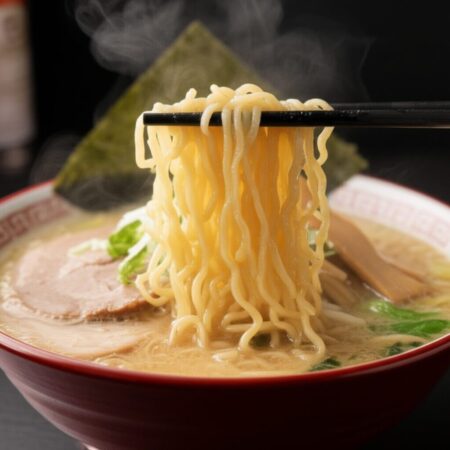
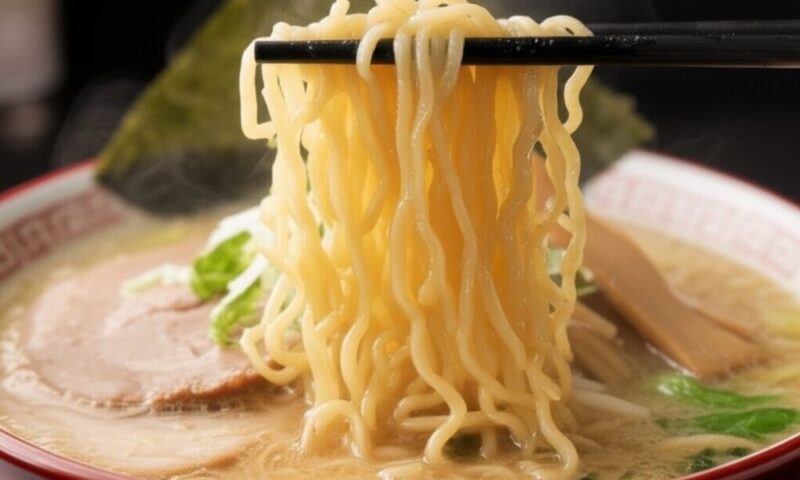
Forget the delicate, thin noodles often associated with ramen. Jiro’s noodles are thick, chewy, and unapologetically dense. They possess a distinct, almost rubbery texture, providing a satisfying resistance with every bite. These aren’t your grandmother’s noodles; they’re built for stamina, designed to stand up to the rich broth and generous toppings. The noodles’ thickness allows them to absorb the powerful flavors of the soup, creating a harmonious blend of texture and taste.
The specific type of flour and the hydration level significantly contribute to the unique texture. Each branch sometimes tweaks the recipe slightly, resulting in subtle variations in noodle consistency across different locations.
The Soup: A Symphony of Pork, Soy, and Umami
Jiro’s broth is not for the faint of heart. It’s a powerful concoction of pork bones, soy sauce, and a secret blend of ingredients that creates a deeply savory and intensely umami flavor. This isn’t a light, delicate broth; it’s rich, oily, and incredibly satisfying. The broth often has a cloudy appearance due to the emulsification of pork fat, adding to its decadent mouthfeel. It’s a flavor that lingers long after the last slurp, leaving you craving more.
The preparation is key. Pork bones are simmered for hours, often overnight, to extract every last bit of flavor. The addition of soy sauce provides the salty, savory backbone, while other ingredients like garlic, ginger, and vegetables add depth and complexity. The final result is a broth that is both intensely flavorful and incredibly addictive.
The Pork (Buta): A Mountain of Melt-in-Your-Mouth Goodness
The pork, or ‘buta,’ is another defining element of the Jiro experience. Forget thinly sliced char siu; Jiro serves massive chunks of pork belly, braised until incredibly tender and melt-in-your-mouth delicious. The pork is often marinated in a similar sauce to the broth, further intensifying its flavor. These aren’t dainty portions; they’re substantial pieces of meat that provide a satisfying protein punch.
The quality and preparation of the pork can vary significantly between branches. Some shops use leaner cuts, while others prefer the fattier, more decadent belly. The cooking time and method also influence the final texture and flavor. Finding a branch that serves pork to your liking is a key part of the Jiro experience.
The Vegetables (Yasai): A Crunchy Counterpoint
The ‘yasai,’ or vegetables, are typically a mountain of bean sprouts and cabbage, piled high atop the noodles and pork. While they might seem like a simple garnish, they serve an important purpose. The crunchy texture provides a welcome contrast to the soft noodles and tender pork, while their mild flavor helps to balance the richness of the broth. They also, arguably, offer a veneer of healthiness to an otherwise indulgent meal.
You’ll likely be asked how much yasai you want. Understanding the Jiro lingo is crucial (more on that later!). A normal amount is usually quite generous; opting for “mashimashi” (more, more) results in an absurd, almost comical pile of vegetables that towers over the bowl. Conversely, “sukuname” (less) will give you a smaller, more manageable portion.
The Oil (Abura): The Secret Weapon
The ‘abura,’ or oil, is perhaps the most controversial element of the Jiro experience. It’s a layer of rendered pork fat that floats on top of the broth, adding richness, flavor, and an undeniably addictive quality. While it might seem excessive, the abura is essential to the overall Jiro experience. It coats the noodles, enhances the flavor of the broth, and provides a satisfyingly slick mouthfeel.
Like the yasai, you can customize the amount of abura. ‘Abura nashi’ (no oil) is an option for the faint of heart, while ‘abura mashimashi’ (extra oil) is for those who truly embrace the Jiro lifestyle. Be warned: extra oil significantly increases the richness and intensity of the ramen.
Decoding the Jiro Code: Ordering Like a Pro
Stepping into a Ramen Jiro for the first time can be a daunting experience. The atmosphere is often chaotic, the staff are usually curt, and the ordering process can seem confusing. But fear not! With a little preparation, you can navigate the Jiro landscape like a seasoned veteran.
The Ticket Machine: Your First Hurdle
Most Jiro branches use a ticket machine (券売機, *kenbaiki*) located near the entrance. You’ll need to purchase a ticket for your desired ramen before you sit down. The most common option is the ‘Ramen’ (ラーメン), but some branches offer variations like ‘Buta Ramen’ (豚ラーメン), which includes extra pork. Prices typically range from ¥700 to ¥1000.
Pay attention to the machine’s instructions, as they might be in Japanese only. Have cash ready, as many machines don’t accept credit cards. Once you’ve purchased your ticket, find a seat and wait for your number to be called.
The Chant: Customizing Your Order
When your number is called, the staff will ask you for your customizations. This is where the Jiro lingo comes into play. Be prepared to answer quickly and confidently. Here’s a breakdown of the common terms:
- Yasai: Vegetables (bean sprouts and cabbage)
- Sukuname (少なめ): Less
- Normal (普通): Normal
- Mashi (増し): More
- Mashimashi (増し増し): Even More
- Abura: Oil (pork fat)
- Nashi (無し): None
- Normal (普通): Normal
- Mashi (増し): More
- Mashimashi (増し増し): Even More
- Kareme: More Sauce (soy sauce based)
- Ninniku: Garlic (often chopped fresh)
- Irimasu ka? (要りますか?): Do you want garlic?
A typical order might sound something like this: “Ramen, yasai mashi, abura futsu, ninniku irimasu.” (Ramen, extra vegetables, normal oil, yes garlic). Don’t be afraid to experiment and find your perfect combination.
Slurping Etiquette: Embracing the Chaos
Once your ramen arrives, don’t hesitate – dig in! Slurping is not only acceptable but encouraged. It’s believed to enhance the flavor of the ramen and demonstrates your appreciation for the chef’s work. The atmosphere at Jiro is often loud and chaotic, so don’t worry about making a mess. Embrace the experience and enjoy the moment.
Remember to bring your own tissues, as they are not always provided. And be prepared to queue, especially during peak hours. The wait is often part of the Jiro experience, a testament to its enduring popularity.
Jiro Branch Variations: Exploring the Ecosystem
While all Ramen Jiro branches share the same basic DNA, each location has its own unique character and characteristics. Some branches are known for their particularly rich broth, while others are famous for their tender pork. Exploring different Jiro branches is a key part of becoming a true Jirorian.
Here are a few notable branches:
- Mita Honten (三田本店): The original Jiro, located near Keio University. It’s considered the holy grail for many fans. Tabelog Link
- Meguro Branch (目黒店): Known for its particularly flavorful and balanced broth. Tabelog Link
- Shinjuku Kabukicho Branch (新宿歌舞伎町店): A popular choice for those looking for a late-night ramen fix. Tabelog Link
Exploring different branches is encouraged within the Jiro fandom. Try to visit a variety and discover which best suits your taste.
The Jiro Phenomenon: A Cultural Commentary
Ramen Jiro’s enduring popularity transcends mere culinary appeal. It’s become a cultural phenomenon, a symbol of Japanese masculinity, and a testament to the power of community. The long queues, the shared experience of eating a massive bowl of ramen, and the sense of belonging to a larger group all contribute to the Jiro mystique.
Some sociologists argue that Jiro provides a sense of ritual and community in an increasingly atomized society. The shared experience of conquering a Jiro bowl creates a bond between customers, fostering a sense of camaraderie. The often-gruff service and challenging ordering process can even be seen as a rite of passage, further solidifying the sense of belonging.
Jiro also appeals to a sense of nostalgia for a simpler, more authentic Japan. It’s a place where you can escape the pressures of modern life and indulge in a simple, satisfying meal. The lack of pretense and the focus on quality ingredients are a refreshing contrast to the polished, often superficial, dining experiences that are common in urban centers.
Is Jiro for You? Embracing the Challenge
Ramen Jiro isn’t for everyone. It’s messy, it’s intense, and it’s definitely not for the faint of heart. But for those who are willing to embrace the challenge, it’s an experience that is both rewarding and unforgettable. It’s a chance to step outside your comfort zone, immerse yourself in a unique culinary culture, and discover a new level of ramen obsession.
So, are you ready to embark on your Jiro journey? Grab your chopsticks, prepare your stomach, and get ready to experience the one-of-a-kind world of Ramen Jiro. You might just become a Jirorian yourself.
Disclaimer: Ramen Jiro is a high-calorie meal. Please consume responsibly.