




Journey to Miyama: Kyoto’s Secret Countryside
Escape the bustling city of Kyoto and venture into its tranquil heartland. Miyama, a picturesque town nestled in the mountains of Kyoto Prefecture, offers a glimpse into a Japan that feels untouched by time. Famous for its stunning kayabuki (thatched-roof) farmhouses, Miyama is more than just a scenic village; it’s a living testament to traditional Japanese life and a sanctuary of rural beauty. This article will guide you through this enchanting destination, providing practical information and insights to help you experience the true essence of Miyama.
What Makes Miyama Special?
Unlike some of Japan’s more heavily touristed historical sites, Miyama retains an authentic atmosphere. The village of Kita, often referred to as Miyama Kayabuki no Sato (美山かやぶきの里), is home to over 30 thatched-roof houses, some dating back to the Edo period. These aren’t museum pieces; they are homes, workshops, and businesses, inhabited by families who have preserved their traditional way of life for generations. The enduring beauty of these structures, combined with the surrounding natural landscape, creates a truly unforgettable experience.
A Living Heritage
The beauty of Miyama extends beyond its stunning architecture. It’s about the people, their customs, and their deep connection to the land. Witnessing the daily lives of the villagers – tending to their fields, maintaining their homes, and participating in local festivals – offers a unique window into the soul of rural Japan.
More Than Just a Village
While the thatched-roof village is the main attraction, Miyama offers a wealth of other activities. Explore the surrounding forests with hiking trails, visit local temples and shrines, or sample the delicious regional cuisine. Miyama is also known for its clear rivers and streams, perfect for fishing and enjoying the tranquility of nature.
Planning Your Trip to Miyama
Reaching Miyama requires a little planning, but the journey is well worth the effort.
Getting There
The most convenient way to reach Miyama from Kyoto is by a combination of train and bus.
- By Train and Bus: Take the JR San-in Line from Kyoto Station to Sonobe Station (園部駅). From Sonobe Station, take the Nantan City Bus to the Kayabuki no Sato bus stop. The bus ride takes approximately one hour and 15 minutes. Check the Nantan City Bus timetable for the most up-to-date schedules.
- By Car: Driving offers greater flexibility, allowing you to explore the surrounding areas at your own pace. From Kyoto, take Route 9 and then Route 38 to Miyama. Parking is available near the Kayabuki no Sato village.
When to Visit
Miyama is beautiful year-round, each season offering a unique charm:
- Spring (March-May): Cherry blossoms bloom, painting the landscape in soft pink hues.
- Summer (June-August): Lush greenery and vibrant festivals create a lively atmosphere. Be prepared for warm and humid weather.
- Autumn (September-November): The surrounding mountains burst into brilliant shades of red, orange, and gold, making it a popular time to visit.
- Winter (December-February): Snow blankets the thatched roofs, creating a stunningly serene winter wonderland. Be aware of potential travel disruptions due to snow.
Accommodation Options
To fully immerse yourself in the Miyama experience, consider staying overnight.
- Ryokans (Traditional Inns): Several ryokans in and around Miyama offer traditional Japanese hospitality, including tatami mats, futon beds, and delicious home-cooked meals. Some notable options include Minshuku Hisaya and Ryokan Matsumoto.
- Farm Stays: For a truly authentic experience, consider staying in a farmhouse. This allows you to interact with local families and learn about their way of life firsthand. Websites like Airbnb often list farm stay options.
- Hotels in Nearby Towns: If you prefer a more conventional hotel, consider staying in a nearby town like Sonobe or Fukuchiyama.
Experiencing Miyama: Activities and Attractions
Miyama offers a variety of activities that allow you to connect with the local culture and natural environment.
Exploring the Kayabuki no Sato Village
Take a leisurely stroll through the village, admiring the architecture and soaking in the tranquil atmosphere. Visit the Miyama Folklore Museum (美山民俗資料館) to learn about the history and culture of the region. Entry is typically around 300 yen.
Miyama Nature Culture Village Kajika-so
This facility offers various hands-on experiences, including crafts, cooking classes using local ingredients, and workshops on traditional farming techniques. It’s a fantastic way to learn about the region’s unique culture. Booking in advance is highly recommended.
Hiking and Nature Walks
Miyama is surrounded by beautiful mountains and forests, offering numerous hiking trails. The trails vary in difficulty, so choose one that suits your fitness level. The local tourist information center can provide maps and recommendations.
Visiting Local Temples and Shrines
Explore the smaller, less-known temples and shrines scattered throughout the Miyama area. These offer a glimpse into the local religious practices and a chance to connect with the spiritual side of Japan.
Sampling Local Cuisine
Miyama is known for its fresh, locally sourced ingredients. Be sure to try the local specialties:
- Miyama Milk: The pure, fresh milk from Miyama is a must-try. Look for it in local cafes and shops.
- Wild Game (Jibie): Miyama is known for its delicious wild game, such as venison and boar. Try it grilled or in a stew.
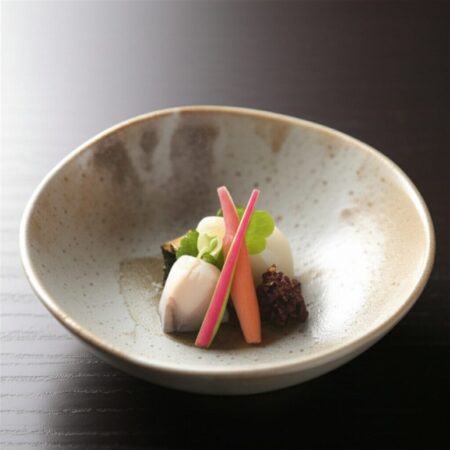
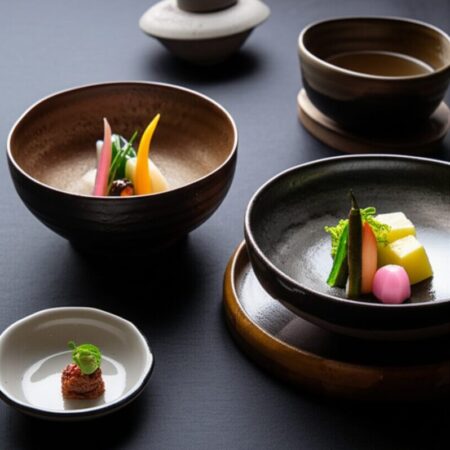
- Locally Grown Vegetables: Enjoy the fresh, seasonal vegetables in various dishes.
Respecting Local Customs
When visiting Miyama, it’s important to be mindful of local customs and traditions. Remember that this is a living community, not just a tourist attraction.
- Be Quiet and Respectful: Avoid loud noises and disruptive behavior, especially in residential areas.
- Ask Permission Before Taking Photos: Always ask permission before photographing people, especially in their homes or workplaces.
- Support Local Businesses: Shop at local stores and eat at local restaurants to support the community.
- Learn Basic Japanese Phrases: Even a few basic phrases like “Konnichiwa” (hello) and “Arigato” (thank you) will be greatly appreciated.
“Miyama is a place where time seems to slow down, where you can reconnect with nature and experience the true heart of Japan.”
Miyama: A Journey to the Soul of Japan
Miyama offers a unique and unforgettable travel experience. It’s a place where you can escape the modern world and immerse yourself in the beauty of rural Japan. By respecting the local culture and traditions, you can ensure that your visit is both enriching and sustainable, contributing to the preservation of this precious cultural heritage. Plan your trip today and discover the magic of Miyama, Kyoto’s hidden thatched village.