



Introduction: The Quiet Revolution of Tea Ceremony Kaiseki
Imagine a meal that isn’t just about sustenance, but a quiet meditation. A meal that embodies the Japanese aesthetic of wabi-sabi, finding beauty in imperfection and impermanence. That meal is 茶懐石 (chakaiseki), the culinary heart of the Japanese tea ceremony (茶道, chado).
More than just a prelude to the tea itself, chakaiseki is a meticulously crafted experience designed to prepare the guest’s palate and spirit for the ceremony. It’s a dance of flavors, textures, and visual harmony, all presented with an understated elegance that speaks volumes about Japanese culture and values. Think of it as the antithesis of a Michelin-starred explosion of innovation. Here, restraint and reverence reign supreme. Forget molecular gastronomy; embrace mindful gastronomy.
This article delves into the world of chakaiseki, exploring its history, the meaning behind each dish, the artistry of the serving ware, and the underlying philosophy of minimalism that permeates every aspect. We’ll journey beyond the surface to uncover the profound connection between food, aesthetics, and spirituality that makes chakaiseki a truly unique cultural experience. Finally, we’ll provide practical information on where you can experience this culinary art firsthand.
The Roots of Simplicity: A History of Cha-Kaiseki
The origins of chakaiseki can be traced back to Zen Buddhist monasteries in the Kamakura period (1185-1333). Monks, adhering to strict dietary restrictions, developed a simple meal called honzen ryori to sustain them during long periods of meditation. This austere cuisine, emphasizing seasonal ingredients and minimal processing, laid the foundation for what would eventually become chakaiseki.
It was Sen no Rikyu (1522-1591), considered the most influential figure in the history of the Japanese tea ceremony, who formalized chakaiseki into its current form. Rikyu, a staunch advocate of wabi-sabi, stripped away the unnecessary ornamentation and extravagance of previous dining styles, emphasizing simplicity, naturalness, and the connection between host and guest. He believed that the meal should be an integral part of the tea ceremony, preparing the mind and spirit for the contemplation of beauty and the appreciation of the present moment. His influence is so profound that even today, many chakaiseki meals follow the core principles he established.
Sen no Rikyu: The Minimalist Master
Sen no Rikyu’s legacy extends far beyond the tea ceremony. He was a true minimalist in every sense of the word, advocating for simplicity and authenticity in all aspects of life. His tea room, often no larger than a few tatami mats, was designed to foster intimacy and encourage contemplation. He rejected elaborate decorations and embraced natural materials, highlighting the beauty of imperfection and the passage of time. This philosophy is reflected in every aspect of chakaiseki, from the carefully chosen ingredients to the understated presentation.
The Kaiseki Menu: A Culinary Poem
The chakaiseki menu is not merely a collection of dishes; it’s a carefully orchestrated sequence of flavors, textures, and aromas designed to create a harmonious and balanced experience. While the specific dishes may vary depending on the season, the region, and the host’s preferences, the basic structure remains consistent. Here’s a breakdown of the typical courses:
- 飯 (Meshi): Steamed rice, typically served in a lacquered bowl. It represents the foundation of the meal and is meant to be savored slowly.
- 汁 (Shirumono): Clear soup, usually flavored with seasonal vegetables and a subtle broth made from kombu (kelp) and katsuobushi (dried bonito flakes). It cleanses the palate and prepares it for the subsequent courses.
- 向付 (Mukozuke): A seasonal dish served opposite the rice, often featuring sashimi or a small, elegantly prepared seafood dish. It provides a refreshing contrast to the warmth of the rice and soup.
- 煮物 (Nimono): Simmered vegetables or fish, cooked in a delicate broth and seasoned with soy sauce and sake. This dish offers a comforting and savory element to the meal.
- 焼物 (Yakimono): Grilled fish or meat, often seasoned with salt or a light sauce. It provides a richer, more robust flavor to the palate.
- 預け鉢 (Azukebachi): A small bowl containing a dish that is meant to be shared among the guests. It fosters a sense of community and encourages conversation. This could be something like vinegared vegetables (酢の物, Sunomono) or dressed greens (和え物, Aemono).
- 強肴 (Shiizakana): An optional dish, often featuring a more substantial or unusual ingredient. It adds an element of surprise and complexity to the meal.
- 香の物 (Konomono): Pickled vegetables, served as a palate cleanser and a digestive aid. Common examples include daikon radish, cucumber, and eggplant.
- 湯斗 (Yuto): Hot water poured over the remaining rice in the rice bowl, allowing the guest to savor every last grain and cleanse their palate.
- 菓子 (Kashi): A small sweet, often made from mochi (rice cake) or other traditional ingredients. It provides a gentle transition from the savory courses to the tea ceremony.
Seasonal Symphony: Embracing Shun (旬)
A defining characteristic of chakaiseki is its emphasis on shun (旬), the peak season for each ingredient. Dishes are meticulously planned to showcase the freshest, most flavorful produce available at that particular time of year. This not only ensures the best possible taste but also reflects a deep respect for nature and its cycles. In spring, you might find dishes featuring bamboo shoots and wild vegetables. In summer, expect refreshing flavors like cucumber and watercress. Autumn brings the richness of mushrooms and root vegetables, while winter showcases the warmth of stews and hearty fish. Experiencing chakaiseki throughout the year is like witnessing the changing seasons on a plate.
The Art of Presentation: Vessels of Wabi-Sabi
The beauty of chakaiseki extends beyond the taste of the food to the presentation itself. The serving ware, often handcrafted and antique, is carefully chosen to complement the dish and enhance the overall aesthetic experience. Each piece is selected not just for its visual appeal but also for its tactile quality, its history, and its connection to the natural world. The use of imperfect or aged vessels is particularly valued, embodying the wabi-sabi aesthetic of finding beauty in imperfection and impermanence.
The Significance of Ceramics
Ceramics play a crucial role in chakaiseki presentation. Raku ware, known for its rustic texture and unique firing process, is a particularly prized choice. The uneven glazes and unpredictable patterns of Raku ware reflect the beauty of natural processes and the acceptance of imperfection. Other popular types of ceramics include Shino ware, known for its milky white glaze and subtle cracks, and Oribe ware, characterized by its bold green glazes and asymmetrical shapes. These choices highlight the concept that beauty doesn’t always mean perfection, but instead, character.
The Importance of Arrangement
The arrangement of the dishes is just as important as the selection of the serving ware. Each element is carefully positioned to create a sense of balance, harmony, and visual interest. Empty space is also valued, allowing the eye to rest and appreciate the individual components of the composition. The overall effect is one of understated elegance and mindful attention to detail.
Minimalism in Practice: Less is More
Chakaiseki is a masterclass in minimalism. Every aspect of the meal, from the selection of ingredients to the presentation of the dishes, is carefully considered and executed with restraint. There is no unnecessary ornamentation or extravagance. Instead, the focus is on highlighting the natural beauty of the ingredients and the artistry of the preparation. This minimalist approach is not simply a matter of aesthetics; it’s a reflection of a deeper philosophy that values simplicity, authenticity, and the appreciation of the present moment. By stripping away the superfluous, chakaiseki allows us to focus on what truly matters: the connection between food, nature, and human experience.
The Art of Subtraction
Minimalism, as practiced in chakaiseki, is not about deprivation but about intentionality. It’s about consciously choosing what to include and what to exclude, based on a clear understanding of purpose and value. By subtracting the unnecessary, we can amplify the essential. In the context of chakaiseki, this means focusing on the freshest, most seasonal ingredients, preparing them with minimal processing, and presenting them in a way that highlights their natural beauty. The result is a meal that is both nourishing and deeply satisfying.
Finding Fulfillment in Simplicity
In a world that often equates more with better, chakaiseki offers a powerful reminder that true fulfillment can be found in simplicity. By embracing minimalism, we can cultivate a greater appreciation for the beauty of the everyday, the value of human connection, and the importance of living in the present moment. The practice of chakaiseki can be seen as a form of meditation, a way to slow down, connect with our senses, and find peace in the quiet appreciation of simple pleasures.
Experiencing Cha-Kaiseki: A Culinary Journey
If you’re interested in experiencing chakaiseki firsthand, there are several options available, ranging from traditional tea rooms to upscale restaurants. It’s important to book in advance, as many establishments require reservations, and some may only offer chakaiseki to tea ceremony participants. Always inquire about dress code and etiquette before visiting.
Finding Authentic Experiences
Here are a few suggestions, keeping in mind that availability and opening hours can change. It’s always best to check directly with the establishment:
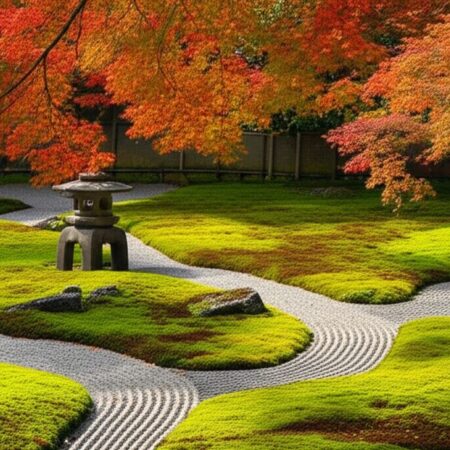
- 茶室 (Chashitsu) within Gardens: Many traditional Japanese gardens, such as the Eienji Temple Garden in Toyama, offer tea ceremonies that may include chakaiseki. Search for gardens in your travel area and inquire about their tea service options.
- Specialized Tea Houses: Look for tea houses specifically dedicated to the tea ceremony. These establishments often provide a more authentic and immersive experience. An example is Mizuho-an in Kyoto, they offer special tea gatherings in a historical building.
- High-End Ryokan (旅館): Some traditional Japanese inns (ryokan) offer chakaiseki as part of their dining experience. This can be a convenient way to experience the meal in a comfortable and luxurious setting.
- Kaiseki Restaurants: While not strictly chakaiseki, many kaiseki restaurants incorporate elements of the tea ceremony aesthetic and offer a similar dining experience. These are often easier to find and book than traditional tea houses.
What to Expect
When experiencing chakaiseki, be prepared to embrace a slower pace and a more mindful approach to dining. Take the time to appreciate the flavors, textures, and aromas of each dish. Pay attention to the presentation of the food and the artistry of the serving ware. Engage in conversation with your host and fellow guests, and be open to learning about the traditions and philosophy behind the meal.
Here are some additional things to keep in mind:
- Dress Code: While a formal kimono is not usually required, it’s best to dress respectfully. Avoid wearing overly casual clothing such as jeans and t-shirts.
- Etiquette: Follow the lead of your host and observe the proper etiquette for handling the dishes and utensils. Ask questions if you’re unsure about anything.
- Dietary Restrictions: If you have any dietary restrictions or allergies, be sure to inform the host in advance. While chakaiseki is traditionally not vegetarian, many establishments can accommodate dietary needs with advance notice.
- Language: English may not be widely spoken at traditional tea houses, so it’s helpful to learn a few basic Japanese phrases or bring a translator.
Conclusion: A Taste of Enlightenment
Chakaiseki is more than just a meal; it’s a cultural experience that offers a glimpse into the heart of Japanese aesthetics and spirituality. By embracing the principles of wabi-sabi and minimalism, it invites us to slow down, appreciate the beauty of the present moment, and find fulfillment in simplicity. Whether you’re a seasoned traveler or a curious newcomer, a chakaiseki experience is sure to leave a lasting impression and deepen your understanding of Japanese culture.
So, the next time you find yourself in Japan, consider embarking on this culinary journey. It’s an opportunity to not only taste exquisite food but also to nourish your soul and connect with the essence of wabi-sabi. It’s an experience that transcends mere dining and becomes a quiet revolution of the senses.