


Delving into the Essence of Japanese Aesthetics: Cha-Kaiseki
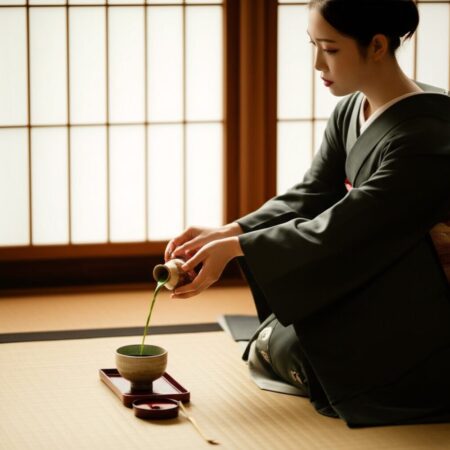
Imagine a meal not just as sustenance, but as a carefully orchestrated performance, a meditation on simplicity and transience. This is Cha-Kaiseki (茶懐石), the refined cuisine served before a Japanese tea ceremony, or *chanoyu*. Far from a simple prelude to tea, Cha-Kaiseki is a profound expression of *wabi-sabi* (侘寂), the Japanese aesthetic philosophy that finds beauty in imperfection, impermanence, and simplicity.
For centuries, Cha-Kaiseki has been more than just food; it’s a pathway to understanding the very soul of Japan. This isn’t your average restaurant review; it’s an exploration of a cultural experience, a deep dive into the spirit of minimalism as expressed through culinary art. So, let’s journey into the world of Cha-Kaiseki, where every dish, every utensil, every moment is steeped in meaning.
The Origins and Philosophy of Cha-Kaiseki
The origins of Cha-Kaiseki can be traced back to Zen Buddhism and the simple meals monks would eat. Over time, these humble meals evolved into a sophisticated culinary art form, inextricably linked to the tea ceremony. Sen no Rikyu (千利休), the 16th-century tea master, is credited with codifying many of the principles of *chanoyu* and, consequently, Cha-Kaiseki. He emphasized harmony (和, *wa*), respect (敬, *kei*), purity (清, *sei*), and tranquility (寂, *jaku*) – the four key tenets of *chanoyu*. These principles are not merely philosophical ideals; they are embodied in every aspect of the meal, from the ingredients used to the way the food is presented.
Wabi-Sabi: Finding Beauty in Imperfection
At the heart of Cha-Kaiseki lies the philosophy of *wabi-sabi*. It celebrates the beauty of natural materials, the charm of asymmetry, and the acceptance of the fleeting nature of life. Think of a chipped teacup, its imperfections telling a story of use and age, or a slightly bent bamboo spoon, its unique character adding to its allure. This embrace of imperfection is a deliberate rejection of the pursuit of flawless beauty often found in Western aesthetics. Instead, *wabi-sabi* invites us to find beauty in the authentic, the unpretentious, and the naturally aged.
Minimalism as a Way of Life
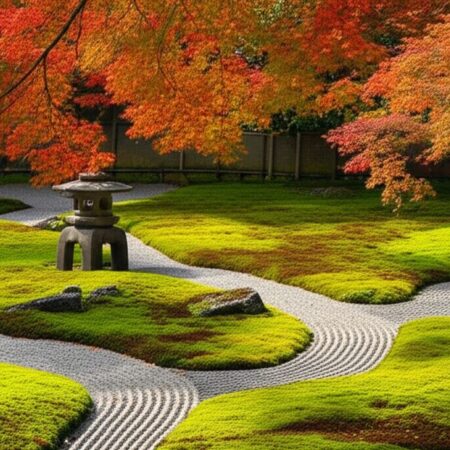
Cha-Kaiseki extends beyond just the food; it’s a holistic experience rooted in minimalism. The dishes are carefully selected to showcase the natural colors and textures of the ingredients. The serving ware is often simple and unadorned, allowing the food to take center stage. Even the room in which the meal is served is typically minimalist, with a focus on natural light and a serene atmosphere. This emphasis on simplicity is not about deprivation; it’s about focusing on what truly matters and appreciating the beauty of the essential.
Decoding the Cha-Kaiseki Menu
A traditional Cha-Kaiseki menu typically consists of seven courses, each carefully designed to complement the others and to prepare the palate for the tea ceremony to follow. The specific dishes may vary depending on the season, the location, and the preferences of the host, but the underlying principles remain the same.
- 飯 (Meshi): Cooked rice. The meal starts with a simple bowl of perfectly cooked white rice. This signifies nourishment and is the foundation of the meal.
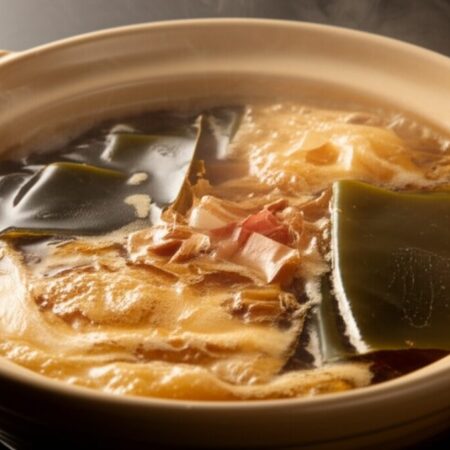
- 汁 (ShirU): Soup. Typically a miso soup, often featuring seasonal vegetables or tofu. The soup cleanses the palate and provides warmth.
- 向付 (Mukozuke): A sashimi dish. Fresh, seasonal fish is thinly sliced and served with soy sauce and wasabi. This course offers a taste of the ocean’s bounty.
- 煮物椀 (Nimono-wan): A simmered dish served in a covered bowl. This course showcases the chef’s skill in balancing flavors and textures. Common ingredients include vegetables, tofu, and sometimes fish or meat.
- 焼物 (Yakimono): Grilled dish. Usually fish, grilled to perfection and served with a garnish of citrus or ginger. The grilling technique highlights the natural flavors of the fish.
- 強肴 (Shiizakana): A side dish, often vinegared or pickled. This course provides a refreshing contrast to the richer dishes that have come before. It can be anything from pickled vegetables to a small portion of seafood.
- 八寸 (Hassun): A tray featuring a selection of small dishes, often showcasing seasonal ingredients. The *Hassun* is a more relaxed and informal part of the meal, allowing guests to mingle and converse. It often includes a seafood dish and a mountain vegetable dish, representing the harmony between land and sea.
- 香の物 (Kononomono): Pickles. Assorted Japanese pickles are served to cleanse the palate before the final course.
- 湯桶 (Yuto) and 菓子 (Kashi): Hot water and sweets. Hot water from the rice pot is served with rice scraps to clean the bowl and warm the body. Followed by a single, elegant sweet to prepare for the tea ceremony.
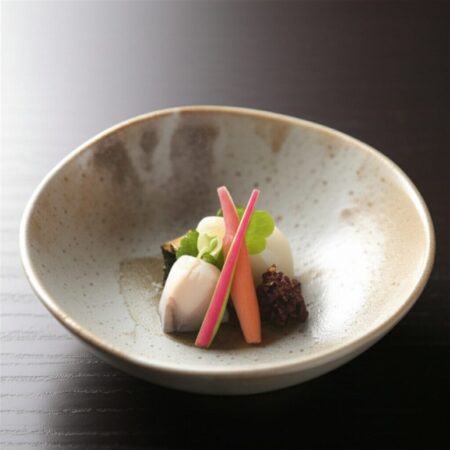
Each dish is presented with meticulous care, emphasizing the natural beauty of the ingredients. The portions are small, encouraging mindful eating and appreciation of each flavor.
The Art of the 器 (Utsuwa): Choosing the Perfect Vessels
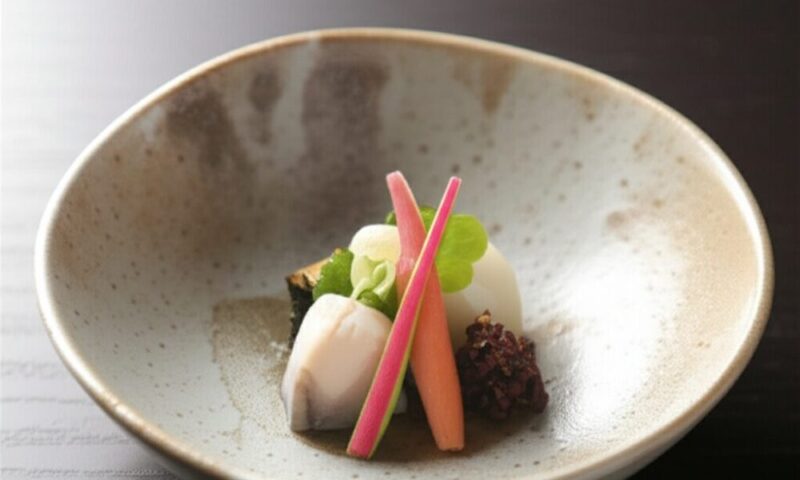
In Cha-Kaiseki, the serving ware, or *utsuwa*, is just as important as the food itself. The choice of bowls, plates, and utensils is carefully considered to complement the dishes and to enhance the overall aesthetic experience. Antique pieces are often used, adding a sense of history and tradition to the meal. The *utsuwa* are not merely functional objects; they are works of art in their own right.
The materials used for *utsuwa* are typically natural, such as ceramic, wood, and lacquer. The shapes and colors are often simple and understated, allowing the food to take center stage. Imperfections, such as small cracks or uneven glazes, are often embraced as part of the *wabi-sabi* aesthetic. The arrangement of the dishes on the table is also carefully considered, creating a visually harmonious composition.
Experiencing Cha-Kaiseki: Where to Savor the Tradition
While experiencing Cha-Kaiseki at a traditional tea house is ideal, it can be difficult to arrange. Fortunately, some restaurants specialize in Cha-Kaiseki, offering a more accessible way to experience this unique culinary tradition.
Here are a few recommendations (reservations are highly recommended):
* 菊乃井 (Kikunoi), Kyoto: A renowned restaurant with a long history of serving exquisite Kaiseki cuisine, including Cha-Kaiseki. Expect a refined and authentic experience. [https://kikunoi.jp/english/](https://kikunoi.jp/english/)
* 吉兆 嵐山本店 (Kitcho Arashiyama Honten), Kyoto: A legendary restaurant known for its impeccable service and stunning presentation. This is a high-end experience, but one that is sure to be unforgettable. [https://www.kitcho.com/kyoto/english/](https://www.kitcho.com/kyoto/english/)
* 一子相伝 なかむら (Isshi Soden Nakamura), Kyoto: A Michelin-starred restaurant offering a more modern take on Kaiseki cuisine, while still respecting the traditions of Cha-Kaiseki. [https://www.kyoto-nakamura.com/](https://www.kyoto-nakamura.com/)
* 茶懐石 温石 (Onjaku), Tokyo: A more accessible option in Tokyo specializing in Cha-Kaiseki. They offer a variety of courses and cater to different dietary needs. [No website available, search “茶懐石 温石 Tokyo” for reviews and location.]
When making a reservation, be sure to specify that you are interested in experiencing Cha-Kaiseki. It’s also a good idea to inquire about any dietary restrictions or allergies. Consider communicating in Japanese if possible, or ask your hotel concierge for assistance.
Etiquette Tips for Enjoying Cha-Kaiseki
To fully appreciate the Cha-Kaiseki experience, it’s helpful to be aware of some basic etiquette guidelines:
- Arrive on time: Punctuality is highly valued in Japanese culture.
- Dress respectfully: While formal attire is not required, it’s best to dress neatly and conservatively.
- Observe the host: Pay attention to the host’s cues and follow their lead.
- Use chopsticks correctly: Avoid sticking chopsticks upright in your rice bowl, as this is considered bad luck.
- Express gratitude: Say “itadakimasu” before you begin eating and “gochisousama deshita” after you finish.
- Appreciate the presentation: Take a moment to admire the beauty of each dish before you eat it.
- Eat mindfully: Savor each flavor and texture.
- Engage in polite conversation: Keep the conversation light and respectful.
Cha-Kaiseki: A Gateway to Japanese Spirituality
Cha-Kaiseki is more than just a meal; it’s a journey of the senses, a meditation on simplicity, and a profound expression of Japanese aesthetics. Through its carefully curated menu, its embrace of *wabi-sabi*, and its emphasis on mindfulness, Cha-Kaiseki offers a unique window into the soul of Japan. By experiencing this culinary art form, you can gain a deeper understanding of Japanese culture and spirituality, and perhaps even discover a new appreciation for the beauty of imperfection in your own life. It invites us to slow down, appreciate the present moment, and find joy in the simple things.
So, the next time you find yourself in Japan, consider seeking out a Cha-Kaiseki experience. It’s an investment in a memory, a lesson in aesthetics, and a delicious way to connect with the heart of Japanese culture. You might just find that the true flavor lies not only in the food, but in the spirit of the experience itself.