




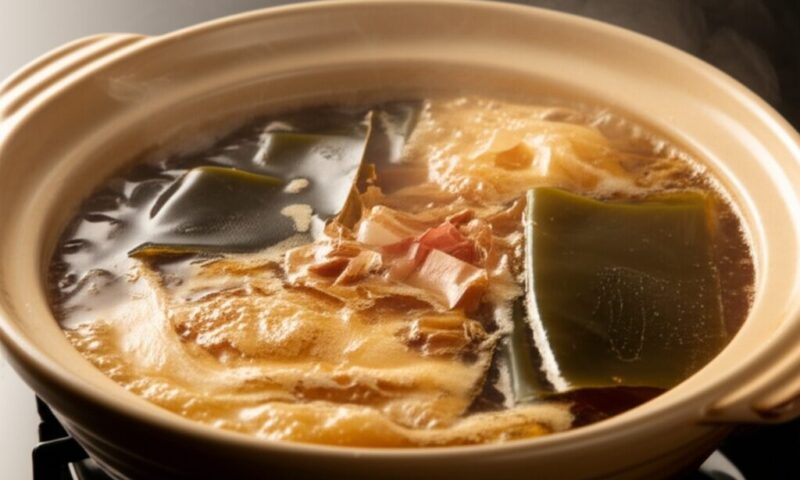
The Magic of Dashi: Unveiling the Umami Secret at the Heart of Japanese Cuisine
Imagine a flavor so subtle, so nuanced, yet so profound that it forms the very backbone of an entire culinary tradition. That flavor is umami, and its most elegant expression in Japanese cuisine is found in dashi. Forget ramen hype; this is the *real* soul food. We’re not just talking broth; we’re talking culture simmered down to its most essential taste.
For those venturing into the world of Japanese cooking, understanding dashi is paramount. It’s more than just a recipe ingredient; it’s a gateway to appreciating the depth and complexity of Japanese flavors. Think of it as the difference between instant coffee and a meticulously crafted pour-over – both contain caffeine, but the experience is worlds apart. This isn’t just about *how* to make dashi, but *why* it’s so essential.
What Exactly is Dashi? More Than Just Broth
At its simplest, dashi is a clear broth or stock used as a base for countless Japanese dishes. What sets it apart from Western broths is its focus on umami, the fifth taste sensation that translates to “deliciousness” or “savory.” While meat-based broths often rely on richness and fat, dashi relies on the synergistic effect of glutamates and inosinates, naturally occurring compounds found in its key ingredients. It’s flavor engineering at its finest, honed over centuries.
The Key Ingredients: Building Blocks of Umami
The magic of dashi lies in its relatively simple ingredients, each contributing its unique flavor profile:
- Kombu (Dried Kelp): The foundation of many dashi variations, kombu is rich in glutamate. Different types of kombu, such as Ma-kombu and Rishiri-kombu, offer varying levels of sweetness and depth. Think of it as choosing different grape varietals for wine – each brings something unique to the table.
- Katsuobushi (Dried Bonito Flakes): Shaved from cured and smoked bonito, katsuobushi is packed with inosinate, creating a powerful umami punch. The process of creating katsuobushi is incredibly labor-intensive, involving repeated smoking and fermentation, a testament to the dedication to flavor in Japanese cuisine.
- Niboshi (Dried Sardines): Small dried sardines offer a more robust, slightly fishy flavor. They are often used in regional variations of dashi, adding a distinct character. Think of it as adding anchovies to Italian pasta – a potent hit of umami.
- Shiitake Mushrooms (Dried): Used less frequently than kombu and katsuobushi, dried shiitake mushrooms contribute a complex, earthy umami flavor. Soaking them also creates a delicious broth that can be used on its own or in combination with other ingredients.
The most common type of dashi, awase dashi, combines kombu and katsuobushi for a balanced and versatile flavor. The others are usually prepared separately.
A Symphony of Flavors: The Umami Synergy
The real secret to dashi’s deliciousness isn’t just the individual ingredients, but how they interact. Glutamates (from kombu and shiitake) and inosinates (from katsuobushi and niboshi) work synergistically, creating an umami effect that is far greater than the sum of its parts. This is the “1+1=3” principle of dashi making.
The History of Dashi: From Ancient Origins to Modern Tables
The origins of dashi can be traced back to ancient Japan, with kombu being used as a flavoring agent for centuries. The use of katsuobushi became more prevalent during the Edo period (1603-1868), solidifying dashi’s place as a fundamental element of Japanese cuisine. Before the widespread availability of these ingredients, other sources of umami, such as dried fish bones and seaweed, were likely used.
Dashi’s evolution reflects the changing culinary landscape of Japan. As trade routes expanded and new ingredients became available, dashi recipes were refined and diversified. Today, dashi remains a cornerstone of Japanese cooking, a testament to its enduring appeal and versatility.
Making Dashi at Home: A Step-by-Step Guide
While pre-made dashi granules are readily available, making dashi from scratch is surprisingly simple and rewarding. Here’s a basic recipe for awase dashi, the most common type:
- Prepare the Kombu: Wipe the kombu with a damp cloth to remove any surface impurities. Do not wash away the white powder (mannitol), as it contributes to the flavor.
- Soak the Kombu: Place the kombu in a pot with water and let it soak for at least 30 minutes, or preferably overnight in the refrigerator. This allows the kombu to release its glutamates.
- Simmer the Kombu: Gently heat the pot over medium heat. Just before the water comes to a boil, remove the kombu. Boiling the kombu can result in a bitter taste.
- Add the Katsuobushi: Bring the water to a boil and add the katsuobushi. Turn off the heat and let the katsuobushi steep for 1-2 minutes.
- Strain the Dashi: Strain the dashi through a fine-mesh sieve lined with cheesecloth. Discard the katsuobushi (or save it for furikake!).
Ingredients:
- 4 cups water
- 4-inch piece of kombu
- 1 cup katsuobushi
Tips for Perfect Dashi:
- Use high-quality ingredients. The flavor of your dashi will only be as good as the ingredients you use.
- Don’t overboil the kombu. This can result in a bitter taste.
- Don’t squeeze the katsuobushi when straining. This can make the dashi cloudy.
- Use the dashi immediately or store it in the refrigerator for up to 3 days.
Regional Variations: A Taste of Japan
Just as wine reflects the terroir of its region, dashi variations reflect the local ingredients and culinary traditions of different parts of Japan. From the seafood-rich coastlines to the mountainous interiors, each region boasts its own unique dashi profile.
- Kyoto: Known for its refined cuisine, Kyoto dashi often features a delicate balance of kombu and katsuobushi, emphasizing subtlety and elegance.
- Osaka: Osaka dashi tends to be bolder and more assertive, often incorporating more katsuobushi for a stronger umami flavor.
- Kyushu: In Kyushu, dashi is often made with ago (flying fish), imparting a distinctively smoky and slightly sweet flavor.
- Okinawa: Okinawan cuisine utilizes pork bones, seaweed and katsuobushi in its distinctive dashi, reflecting the island’s unique culinary heritage.
Exploring these regional variations is a culinary adventure in itself, offering a glimpse into the diverse and fascinating flavors of Japan.
Dashi in Japanese Cooking: A Culinary Chameleon
Dashi is not just a broth; it’s a versatile ingredient that can be used in a wide range of dishes. From simple miso soup to complex simmered dishes, dashi provides the foundation for countless Japanese culinary creations.
Miso Soup: The Quintessential Dashi Dish
Perhaps the most iconic dish featuring dashi is miso soup. The combination of dashi, miso paste, and various toppings creates a comforting and flavorful soup that is enjoyed daily in households across Japan. The simplicity of miso soup belies its complexity, with the dashi providing the essential umami backbone that complements the savory miso paste.
Simmered Dishes (Nimono): Gentle Flavors, Deep Satisfaction
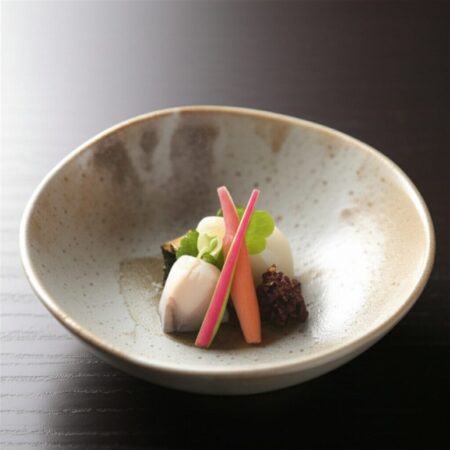
Nimono, or simmered dishes, are another staple of Japanese cuisine. Dashi provides the simmering liquid for vegetables, meats, and seafood, allowing them to absorb the subtle flavors of the broth. These dishes are often seasoned with soy sauce, mirin, and sake, creating a harmonious blend of sweet, savory, and umami.
Noodle Soups (Ramen, Udon, Soba): The Broth is King
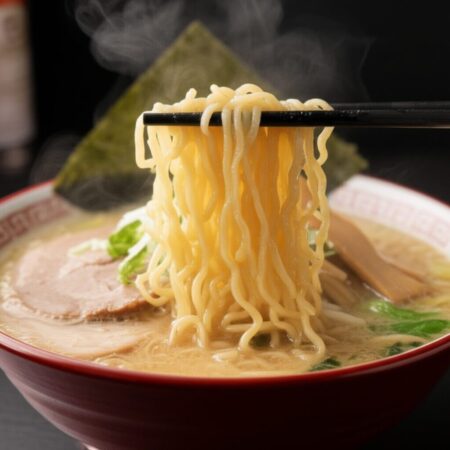
While ramen might be the international superstar, udon and soba noodles also rely heavily on dashi for their flavorful broths. The dashi provides the base for the soup, which is then seasoned with soy sauce, mirin, and other ingredients to create a wide variety of noodle dishes. The quality of the dashi is crucial for a delicious bowl of noodles.
Other Applications: Beyond Soup
Dashi’s versatility extends beyond soups and simmered dishes. It can be used to flavor rice, sauces, and even savory custards (chawanmushi). Experimenting with dashi in your own cooking can unlock a whole new world of flavor possibilities.
Dashi for the Modern Cook: Tips and Tricks
Making dashi at home is easier than you might think. Here are a few tips and tricks for incorporating dashi into your cooking:
- Use good-quality ingredients: As with any dish, the quality of your ingredients will directly impact the flavor of your dashi.
- Don’t be afraid to experiment: Try different combinations of ingredients to create your own unique dashi flavor profile.
- Make a big batch: Dashi can be stored in the refrigerator for up to 3 days, so make a big batch and use it throughout the week.
- Freeze it: Dashi freezes well, so you can always have some on hand for quick and easy meals. Portion it into ice cube trays for convenient use.
Beyond the Basics: Exploring Dashi Culture
Dashi is more than just a recipe; it’s a cultural touchstone. Understanding dashi requires delving into the traditions and values that underpin Japanese cuisine.
The Importance of Seasonality (Shun)
Japanese cuisine places a strong emphasis on seasonality, using ingredients at their peak flavor. This extends to dashi, with certain ingredients being preferred at different times of the year. For example, kombu harvested in the summer is often considered to be of higher quality, while katsuobushi is often aged for longer periods during the cooler months.
The Art of Subtlety
Japanese cuisine is known for its subtle and nuanced flavors. Dashi plays a crucial role in achieving this delicate balance, providing a background of umami that enhances the other ingredients in a dish. The goal is not to overpower the palate, but to create a harmonious and satisfying experience.
Respect for Ingredients (Mottainai)
The concept of mottainai, or avoiding waste, is deeply ingrained in Japanese culture. This extends to dashi making, with many cooks finding creative ways to reuse the kombu and katsuobushi after they have been used to make dashi. For example, the kombu can be simmered in soy sauce and sugar to create a delicious side dish, while the katsuobushi can be used to make furikake, a savory rice seasoning.
Where to Experience Authentic Dashi in Japan
To truly appreciate the magic of dashi, there’s no substitute for experiencing it firsthand in Japan. Here are a few recommendations for where to sample authentic dashi and learn more about its cultural significance:
- Nishiki Market, Kyoto: Known as “Kyoto’s Kitchen,” Nishiki Market is a vibrant marketplace where you can sample a wide variety of local delicacies, including dashi-based dishes. Many vendors offer free samples of their dashi, allowing you to taste the subtle differences between different variations.
- Dashi Shops in Tokyo: Several specialty shops in Tokyo are dedicated to dashi and its ingredients. These shops often offer workshops and demonstrations, allowing you to learn about the process of making dashi and sample different types of kombu and katsuobushi. Look for shops in areas like Tsukiji Outer Market or department store food halls.
- Ryotei (Traditional Restaurants): For a truly immersive experience, consider dining at a ryotei, a traditional Japanese restaurant that specializes in haute cuisine. Ryotei often feature multi-course meals that showcase the refined flavors of dashi and other traditional Japanese ingredients. Be prepared for a higher price point but also an unforgettable culinary experience.
Conclusion: The Enduring Legacy of Dashi
Dashi is more than just a broth; it’s a culinary cornerstone that reflects the rich history, culture, and values of Japan. Its subtle yet profound flavor enhances countless dishes, providing a foundation of umami that elevates Japanese cuisine to an art form. By understanding the secrets of dashi, you can unlock a deeper appreciation for the complexities and nuances of Japanese flavors. So, the next time you savor a bowl of miso soup or a plate of simmered vegetables, remember the magic of dashi – the unassuming elixir that lies at the heart of Japanese culinary tradition. It’s a testament to the power of simplicity, the beauty of balance, and the enduring appeal of umami.