



The Allure of Japanese Tea: A Journey Through History and Culture
Japanese tea, or *Nihon-cha*, is more than just a beverage; it’s a cultural institution deeply woven into the fabric of Japanese society. From the meticulously cultivated tea fields to the serene atmosphere of a tea ceremony, every aspect of Japanese tea reflects a profound respect for nature, tradition, and mindfulness. This article delves into the fascinating world of Japanese tea, exploring its rich history, diverse varieties, and the profound cultural significance of the tea ceremony.
A History Steeped in Tradition
The story of Japanese tea begins in the 8th century when Buddhist monks, returning from China, brought tea seeds and the knowledge of tea cultivation back to Japan. Initially, tea was primarily consumed by the aristocracy and religious orders as a medicinal drink. The monk Eisai, a prominent figure in Zen Buddhism, played a crucial role in popularizing tea consumption in the 12th century. His book, *Kissa Yojoki* (喫茶養生記), or “Book of Tea Health,” extolled the health benefits of tea and promoted its widespread cultivation. From its beginnings as a luxury enjoyed by a select few, tea gradually permeated all levels of society.
The Rise of the Tea Ceremony
The *chanoyu* (茶の湯), or tea ceremony, evolved as a distinct cultural practice during the Muromachi period (1336-1573). Sen no Rikyu (千利休), a highly influential figure in Japanese history, is credited with formalizing and refining the tea ceremony to its present form. He emphasized the principles of *wa-kei-sei-jaku* (和敬清寂) – harmony, respect, purity, and tranquility – which remain central to the tea ceremony today. The tea ceremony is more than just drinking tea; it’s a carefully choreographed ritual that embodies the Zen Buddhist principles of mindfulness, simplicity, and appreciation of the present moment.
Navigating the Varieties of Japanese Tea
Japanese tea boasts a remarkable diversity of flavors, aromas, and appearances, each reflecting unique cultivation methods and processing techniques. Here’s a guide to some of the most popular types of *Nihon-cha*:
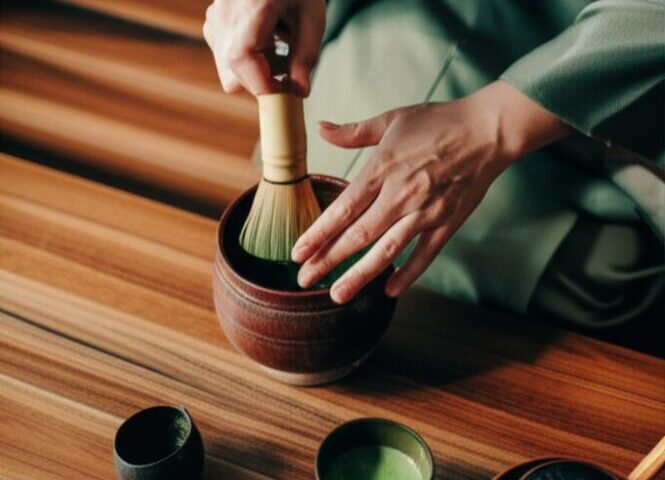
- Matcha (抹茶): Perhaps the most well-known Japanese tea, matcha is a finely ground powder made from specially grown and processed green tea leaves. It is traditionally used in tea ceremonies and is also a popular ingredient in desserts, lattes, and other beverages. The vibrant green color and slightly bitter taste are characteristic of high-quality matcha.
- Sencha (煎茶): The most widely consumed type of green tea in Japan, sencha is made from tea leaves that are steamed, rolled, and dried. It has a refreshing, grassy flavor and a vibrant green color. The quality of sencha depends on factors such as the cultivation region, harvesting time, and processing techniques.
- Gyokuro (玉露): Considered one of the highest grades of Japanese green tea, gyokuro is shaded for several weeks before harvesting, resulting in a sweeter, more umami-rich flavor. The shading process increases the chlorophyll content of the leaves, giving them a deep green color.
- Hojicha (焙じ茶): Unlike other green teas, hojicha is roasted, which gives it a reddish-brown color and a smoky, nutty flavor. It is lower in caffeine than other types of green tea, making it a popular choice for evening consumption.
- Genmaicha (玄米茶): A blend of green tea and roasted rice, genmaicha offers a unique flavor profile with a toasty, nutty aroma. It is a popular everyday tea that is often enjoyed with meals.
- Kukicha (茎茶): Made from the stems and stalks of the tea plant rather than the leaves, kukicha has a mild, slightly sweet flavor and is lower in caffeine than other green teas. It’s a great option for those sensitive to caffeine.
Regional Variations and Terroir
Just like wine, the *terroir* – the environmental factors such as soil, climate, and altitude – plays a significant role in the flavor and quality of Japanese tea. Shizuoka Prefecture, Uji (Kyoto), and Kagoshima are renowned tea-growing regions, each producing teas with distinct characteristics. Exploring these regional variations can offer a deeper appreciation for the nuances of Japanese tea.
Experiencing the Tea Ceremony: A Cultural Immersion
Participating in a *chanoyu* is an unparalleled opportunity to immerse yourself in Japanese culture and gain insight into the principles of Zen Buddhism. The ceremony is meticulously choreographed, with every movement and gesture carrying significance. From the cleansing of the tea utensils to the serving of the tea, each step is performed with precision and grace.
What to Expect at a Tea Ceremony
While the specific details may vary depending on the school and the host, here’s a general overview of what to expect at a traditional tea ceremony:
- Entering the Tea Room: Guests typically enter the tea room, or *chashitsu* (茶室), through a small entrance called a *nijiriguchi*, requiring them to bow low as a sign of humility and respect.
- Purification Ritual: Before entering the tea room, guests often purify themselves by washing their hands and rinsing their mouths at a stone basin called a *tsukubai* (蹲踞).
- Appreciating the Ambiance: The *chashitsu* is designed to create a tranquil and contemplative atmosphere. Guests are encouraged to admire the simple beauty of the space, including the *kakemono* (hanging scroll) and the *ikebana* (flower arrangement).
- Enjoying the Tea: The host prepares and serves the matcha in a specific order, using carefully selected utensils and techniques. Guests receive the tea bowl with reverence, rotate it slightly to avoid drinking from the “front” of the bowl (which is often decorated), and take small sips, appreciating the flavor and aroma.
- Sharing Sweets: Traditional Japanese sweets, or *wagashi* (和菓子), are often served alongside the tea to complement its slightly bitter flavor.
Where to Experience a Tea Ceremony
Numerous locations throughout Japan offer opportunities to participate in tea ceremonies. Many temples and gardens host tea ceremonies, and some ryokans (traditional Japanese inns) also offer tea ceremony experiences. For example, in Kyoto, you can find various tea houses offering both formal and informal tea ceremonies. The Ippodo Tea Co. in Kyoto offers a simplified tea ceremony experience. The Urasenke Tea School, one of the most prominent tea schools in Japan, also sometimes offers introductory workshops for visitors. Be sure to book in advance, especially during peak tourist seasons.
Beyond the Bowl: The Enduring Legacy of Japanese Tea
Japanese tea is more than just a beverage; it’s a symbol of Japanese culture, a testament to the enduring power of tradition, and an invitation to embrace mindfulness and tranquility. Whether you are a seasoned tea connoisseur or a curious newcomer, exploring the world of Japanese tea offers a profound and rewarding experience. From the meticulously cultivated fields to the serene atmosphere of the tea ceremony, every aspect of Japanese tea reflects a deep appreciation for nature, tradition, and the art of living in the present moment. So, take a moment to savor the flavor, appreciate the history, and immerse yourself in the rich cultural heritage of Japanese tea. Kanpai!