Delving into Japan’s vibrant tapestry of festivals: A cultural journey
Japan’s festivals, known as matsuri, are more than just celebrations; they are living embodiments of the nation’s history, culture, and community spirit. From the snow-laden landscapes of the north to the subtropical islands of the south, each region boasts unique traditions, rituals, and performances that offer a captivating glimpse into the heart of Japan. This journey delves into the rich tapestry of Japanese festivals, exploring their historical context, cultural significance, and the exhilarating experiences they offer to both locals and visitors alike. Prepare to be transported to a world of vibrant colors, captivating music, and profound cultural immersion.
Understanding the Essence of Matsuri
Matsuri are deeply rooted in Shinto beliefs and often center around honoring local deities (kami) and praying for good harvests, health, and prosperity. While many festivals have ancient origins, they have evolved over time, incorporating elements of Buddhism, folklore, and local customs. This fusion of influences makes each festival a unique expression of regional identity.
The Historical Roots of Japanese Festivals
Many matsuri can trace their origins back to agricultural rites and religious ceremonies performed centuries ago. The O-bon festival, for example, is a Buddhist tradition honoring the spirits of ancestors and dates back over 500 years. Similarly, many Shinto festivals evolved from rituals performed to appease the gods and ensure a bountiful harvest. Over time, these rituals transformed into elaborate processions, theatrical performances, and community gatherings, becoming integral parts of Japanese cultural heritage.
The Cultural Significance of Matsuri
Matsuri serve several important functions in Japanese society. They provide a platform for preserving and transmitting traditional arts, crafts, and music. They strengthen community bonds by bringing people together in a shared celebration. And they offer a sense of continuity with the past, connecting present-day generations with their ancestors. Participating in or witnessing a matsuri is therefore a profound cultural experience, offering insights into the values, beliefs, and customs that shape Japanese identity.
Exploring Regional Festival Highlights
Japan’s diverse geography and history have given rise to a remarkable variety of festivals, each with its own unique character and charm. Here are just a few examples of the regional festival highlights you might encounter on your journey:
Aomori Nebuta Festival (青森ねぶた祭)
Held in Aomori Prefecture in early August, the Nebuta Festival is a spectacular display of illuminated paper lanterns depicting historical figures, mythical creatures, and kabuki actors. These enormous floats are paraded through the streets, accompanied by lively music and energetic dancers, creating a truly unforgettable spectacle. The “Haneto” dancers, dressed in vibrant costumes, encourage spectators to join in the fun with calls of “Rassera!”
When to Visit: August 2-7
Key Features: Giant illuminated floats, Haneto dancers, energetic atmosphere.
Kyoto Gion Matsuri (祇園祭)
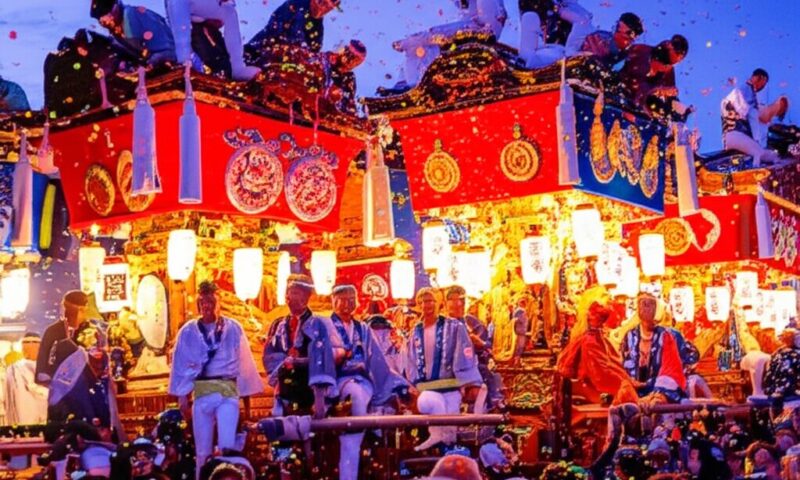
One of Japan’s most famous and oldest festivals, the Gion Matsuri takes place throughout July in Kyoto. It culminates in a grand procession of elaborately decorated floats (yamaboko) through the city streets. These towering floats are adorned with tapestries, carvings, and other precious artifacts, showcasing the artistry and craftsmanship of Kyoto artisans. The festival is dedicated to Yasaka Shrine and is believed to ward off disease and misfortune.
When to Visit: July 1-31 (main procession on July 17)
Key Features: Elaborate floats (Yamaboko), traditional music, historic Kyoto setting.
Takayama Matsuri (高山祭)
Held twice a year in spring and autumn in Takayama, Gifu Prefecture, the Takayama Matsuri is renowned for its beautifully crafted floats and marionette performances. The floats, adorned with intricate carvings and lacquered finishes, are a testament to the skill of Takayama’s master craftsmen. During the festival, skilled puppeteers operate marionettes on the floats, performing traditional dances and stories.
When to Visit: Spring Festival (April 14-15), Autumn Festival (October 9-10)
Key Features: Elaborate floats, marionette performances, traditional crafts.
Hakata Gion Yamakasa (博多祇園山笠)
A thrilling display of strength and speed, the Hakata Gion Yamakasa is held in Fukuoka in July. Teams of men race through the streets carrying elaborately decorated floats (yamakasa) weighing over a ton. The festival is dedicated to Kushida Shrine and is believed to bring good luck and prosperity. The spectacle of the teams racing through the narrow streets is truly exhilarating.
When to Visit: July 1-15 (climax on July 15)
Key Features: Race through the streets, heavy decorated floats, team spirit.
Sapporo Snow Festival (さっぽろ雪まつり)
While technically not a traditional matsuri in the Shinto sense, the Sapporo Snow Festival is a winter wonderland held in Sapporo, Hokkaido, in February. Enormous snow and ice sculptures, depicting everything from historical figures to popular cartoon characters, are displayed throughout the city. The festival attracts millions of visitors each year and is a testament to the artistry and creativity of Hokkaido’s sculptors.
When to Visit: Early February
Key Features: Giant snow and ice sculptures, winter atmosphere, art installations.
Practical Tips for Experiencing Japanese Festivals
Planning to attend a Japanese festival? Here are some practical tips to help you make the most of your experience:
- Check the Dates and Times: Festival dates and times can vary from year to year, so be sure to check the official festival website or local tourist information center for the most up-to-date information.
- Book Accommodation in Advance: Popular festivals can draw large crowds, so it’s essential to book your accommodation well in advance.
- Learn Basic Japanese Phrases: Knowing a few basic Japanese phrases, such as “Konnichiwa” (Hello) and “Arigato” (Thank you), will enhance your interactions with locals.
- Dress Appropriately: While there is no strict dress code, it is generally respectful to dress modestly, especially when visiting temples or shrines.
- Be Prepared for Crowds: Popular festivals can be crowded, so be prepared to navigate large crowds. Keep a close watch on your belongings and be mindful of others.
- Participate Respectfully: When participating in festival activities, be sure to follow the instructions of the organizers and show respect for the traditions and customs.
- Try the Local Food: Festivals are a great place to sample local delicacies. Look for food stalls offering regional specialties and be adventurous!
The Enduring Appeal of Japanese Festivals
Japanese festivals are a testament to the enduring power of tradition and community spirit. They offer a unique opportunity to experience the rich cultural heritage of Japan and to connect with the local people. Whether you’re marveling at the grandeur of the Nebuta floats, witnessing the elegance of the Gion Matsuri procession, or cheering on the teams in the Hakata Gion Yamakasa race, attending a Japanese festival is an experience you won’t soon forget. So, pack your bags, embrace the vibrant energy, and embark on a journey of cultural discovery through the captivating world of Japanese matsuri.