



Introduction: More Than Just Swords and Samurai
Bushido, the “Way of the Warrior,” often conjures images of stoic samurai, gleaming katana, and unwavering loyalty. But is it merely a relic of feudal Japan? Or does the spirit of bushido still resonate within modern Japanese society, influencing their values and conduct? We believe it does, and this article delves into how you, too, can experience and understand this enduring philosophy, not through textbooks, but through the practice of kobudo – traditional Japanese martial arts.
Forget dry lectures on ethics. We’re talking about feeling the discipline in your muscles, the respect in your interactions, and the focus required to master ancient techniques. This isn’t just about learning to wield a weapon; it’s about cultivating the virtues that defined the samurai – virtues that remain remarkably relevant in today’s world.
So, buckle up, dust off your hakama (metaphorically speaking!), and prepare to embark on a journey that will not only introduce you to the fascinating world of kobudo but also offer a unique lens through which to understand the core values of the Japanese people. We’ll explore the key tenets of bushido, examine how they manifest in modern life, and, most importantly, guide you to authentic kobudo experiences that will leave you with more than just a few new moves. You’ll gain a deeper appreciation for the enduring spirit of the warrior within.
The Seven Virtues of Bushido: A Compass for Life
While interpretations vary, the essence of bushido is often encapsulated in seven key virtues:
- Gi (義) – Rectitude: Acting according to moral principle, with unwavering honesty and integrity.
- Yu (勇) – Courage: Bravery and heroism, facing fear with unwavering resolve. It’s not the absence of fear, but acting despite it.
- Jin (仁) – Benevolence: Showing compassion, empathy, and a desire to help others.
- Rei (礼) – Respect: Politeness, courtesy, and reverence for others, particularly elders and superiors.
- Makoto (誠) – Honesty: Sincerity and truthfulness in all dealings.
- Meiyo (名誉) – Honor: Preserving one’s reputation and acting in a way that reflects positively on oneself and one’s family.
- Chugi (忠義) – Loyalty: Faithfulness and devotion to one’s lord, family, and principles.
These virtues may seem lofty and idealistic, but they served as a practical code of conduct for the samurai, guiding their decisions and actions in every aspect of life. And, surprisingly, these ideals still find their way into the everyday lives of many Japanese people, perhaps unconsciously, but undeniably present. Think of the unwavering politeness in customer service, the meticulous attention to detail in craftsmanship, or the deep sense of responsibility often seen in Japanese businesses. These are all echoes of bushido principles.
Kobudo: More Than Just Fighting – It’s a Living Tradition
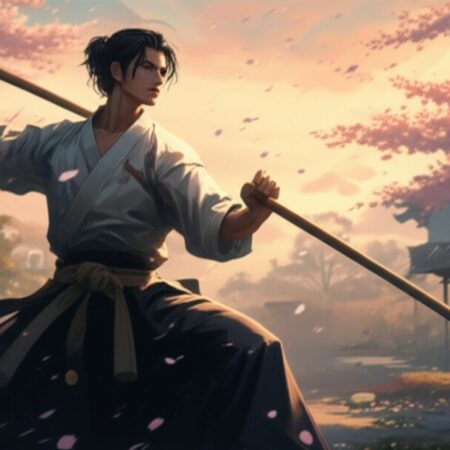
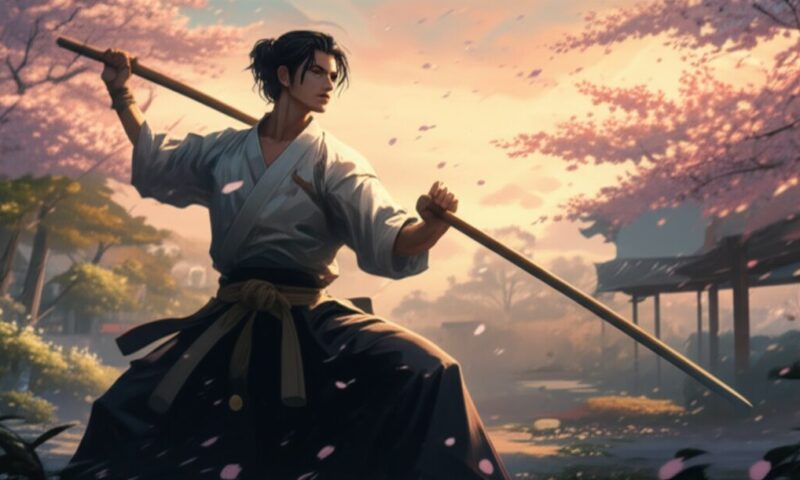
Kobudo, meaning “ancient martial ways,” encompasses a range of traditional Japanese martial arts, often focusing on weaponry. While the iconic katana is certainly a part of it, kobudo extends far beyond swordsmanship. It includes disciplines like jojutsu (the art of the staff), bojutsu (long staff), naginatajutsu (glaive), and many others.
Unlike some modern martial arts that have evolved into sports, kobudo emphasizes practical self-defense and the cultivation of character. The training is rigorous, demanding not only physical strength and agility but also mental discipline, focus, and respect. This is where the true connection to bushido lies.
Why Kobudo is a Gateway to Understanding Bushido
Practicing kobudo is not merely about learning techniques; it’s about embodying the principles of bushido. Each movement, each interaction, each challenge presents an opportunity to develop the virtues that defined the samurai.
- Respect (Rei): Bowing to the instructor and fellow students isn’t just a formality; it’s an expression of respect for the tradition, the knowledge being shared, and the individuals present.
- Discipline (克己心): Mastering complex techniques requires unwavering focus and self-control. You learn to push past your limits, both physical and mental.
- Courage (Yu): Stepping onto the training mat, facing an opponent, or attempting a new technique requires courage. You learn to confront your fears and push beyond your comfort zone.
- Perseverance (忍耐): Progress in kobudo is rarely linear. There will be setbacks and frustrations. You learn to persevere through challenges, developing resilience and determination.
Through the demanding physical and mental training, you gain a visceral understanding of the samurai’s code. You’re not just reading about bushido; you’re living it.
Finding Your Kobudo Experience in Japan: Dojo and Workshops
Ready to immerse yourself in the world of kobudo and experience the spirit of bushido firsthand? Here are some options for finding authentic training experiences in Japan. Be sure to contact the dojo in advance to confirm whether they accept foreign students and if English instruction is available. Respect and prior communication are key!
Authentic Dojo for Long-Term Training
For those seeking a more immersive and long-term experience, consider joining a traditional dojo. While this requires a greater commitment of time and effort, it offers the most authentic and in-depth training.
- Shuseikan Dojo (修成館道場), Kyoto: A well-respected dojo with a long history, offering instruction in various martial arts, including kobudo. While primarily in Japanese, the head instructor is known for being welcoming to foreign students who demonstrate respect and dedication.
- Address: Kyoto, Sakyo Ward
- Website: N/A (Contact through local martial arts organizations for introductions)
- Note: This is for serious long-term students. A personal introduction may be required.
- Various Ryukyu Kobudo Preservation Societies (琉球古武道保存会): Located in Okinawa, these societies preserve and promote Okinawan kobudo, which features unique weaponry like the sai (pronged dagger) and nunchaku (chained sticks).
- Website: (Varies depending on the specific society; search for “琉球古武道保存会” in Japanese)
- Note: Okinawa offers a distinct style of kobudo and a unique cultural experience.
Workshops and Introductory Classes: A Taste of the Warrior’s Way
If you’re short on time or prefer a more casual experience, consider participating in a kobudo workshop or introductory class. These are often geared towards beginners and provide a great overview of the art.
- Samurai Kembu Theater (侍剣舞シアター), Kyoto: Offers introductory kembu (sword dance) classes, which combine martial arts techniques with artistic expression. While not strictly kobudo, it provides a taste of swordsmanship and samurai culture.
- Address: Kyoto, Nakagyo Ward
- Website: https://www.samurai-kembu.jp/en/
- Note: Fun and accessible for beginners, with English instruction available.
- Google Maps: Link to Google Maps
- AirBnB Experiences: Check AirBnB Experiences for local instructors offering kobudo or related martial arts workshops. Search for keywords like “samurai training,” “sword fighting,” or “martial arts workshop” in your desired location.
- Website: https://www.airbnb.com/experiences
- Note: Offers a wide variety of options and price points. Be sure to read reviews carefully before booking.
Things to Consider Before Participating
- Language Barrier: While some dojo and workshops offer English instruction, many do not. Consider bringing a translator or learning some basic Japanese phrases beforehand.
- Physical Fitness: Kobudo can be physically demanding. Assess your fitness level and choose a program that is appropriate for you.
- Cultural Sensitivity: Remember that you are participating in a traditional Japanese art. Be respectful of the instructors, the traditions, and the other students.
- Insurance: Ensure you have adequate travel insurance that covers participation in martial arts activities.
Bushido in Modern Japan: More Than Just History
While the age of the samurai is long gone, the principles of bushido continue to influence Japanese society in subtle but significant ways. From the workplace to the sporting arena, the values of respect, discipline, and perseverance are still highly valued.
- Customer Service: The unparalleled politeness and attention to detail in Japanese customer service are a reflection of the virtue of rei (respect).
- Craftsmanship: The dedication and precision of Japanese artisans are a testament to the importance of discipline and perseverance.
- Business Ethics: Many Japanese companies emphasize honesty, integrity, and loyalty, reflecting the core values of bushido.
- Sportsmanship: In sports, Japanese athletes are known for their sportsmanship and respect for their opponents, embodying the spirit of bushido.
Beyond the Dojo: Applying Bushido Principles to Your Own Life
The beauty of bushido is that its principles are not limited to the martial arts or Japanese culture. They can be applied to any aspect of life, helping you to become a more disciplined, ethical, and resilient individual.
- Set Clear Goals: Define your personal values and goals, and then commit to pursuing them with unwavering determination.
- Practice Self-Discipline: Develop habits that support your goals, and resist temptations that lead you astray.
- Show Respect to Others: Treat everyone with courtesy and respect, regardless of their background or status.
- Embrace Challenges: View challenges as opportunities for growth, and persevere through setbacks.
- Act with Integrity: Be honest and truthful in all your dealings, and uphold your moral principles.
Conclusion: The Enduring Legacy of the Warrior’s Way
Bushido is more than just a historical code of conduct; it’s a timeless philosophy that can enrich your life and help you to become a better version of yourself. By experiencing kobudo and embracing the principles of bushido, you can gain a deeper understanding of Japanese culture and unlock your own inner warrior.
So, go ahead, take the plunge. Seek out a kobudo experience in Japan, embrace the challenge, and discover the enduring power of the warrior’s way. You might be surprised at what you learn, not just about bushido, but about yourself.